Photo: Microsoft Stock Images
Packaging Creates Long-Term Waste
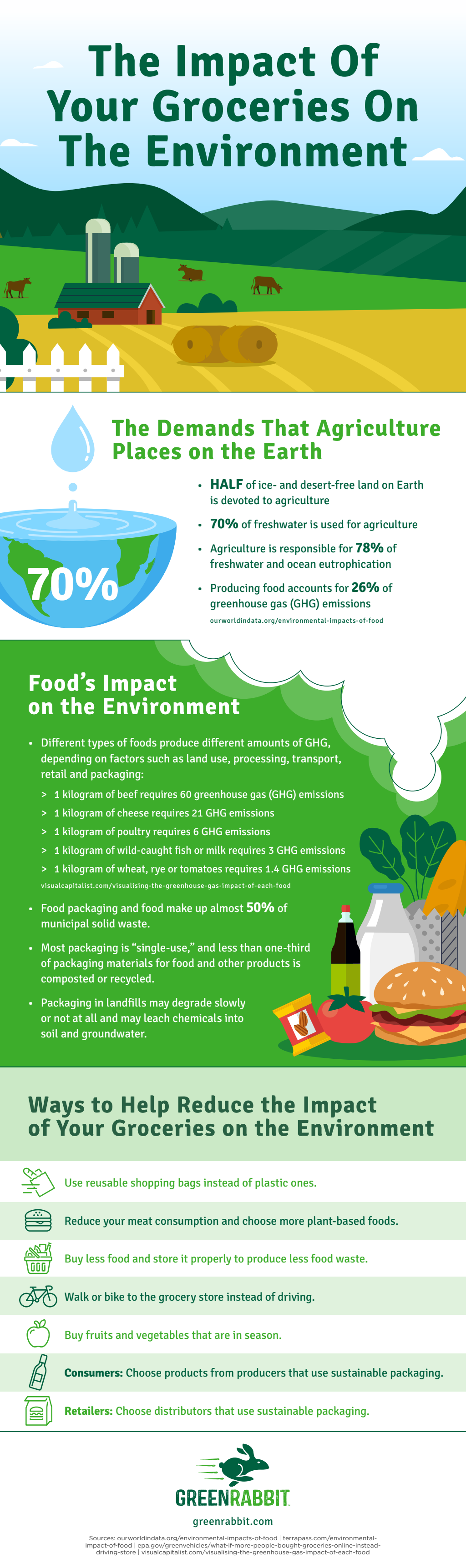
Plastic packaging remains one of the biggest environmental concerns connected to grocery shopping. Individually wrapped snacks, produce containers, and disposable bags often create large amounts of waste that may remain in landfills for years.
Products with excessive packaging usually require additional materials, shipping space, and manufacturing energy as well. Choosing items with recyclable packaging or buying larger household staples in bulk may help reduce unnecessary waste. Reusable grocery bags also make a difference over time. While one plastic bag may seem small, repeated use adds up quickly across weekly shopping trips.
Transportation Affects Environmental Impact
Many grocery products travel long distances before reaching store shelves. Shipping food across countries or overseas requires fuel, refrigeration, and large transportation networks that increase emissions.
Seasonal and locally grown produce often requires less transportation compared to products imported from faraway locations. Farmers’ markets and regional suppliers may help reduce shipping-related environmental strain while supporting local agriculture.
Food Waste Creates Hidden Problems
Food waste affects the environment through more than discarded leftovers alone. Water, land, fuel, fertilizer, and labor all go into producing food that may eventually be thrown away unused.
Buying more than needed often increases waste at home, especially with highly perishable foods. Planning meals before shopping may help households reduce spoiled produce and unused ingredients throughout the week.
Proper food storage also matters. Refrigerating produce correctly and freezing leftovers earlier can help extend shelf life while reducing waste.
Meat and Dairy Require Higher Resource Use
Animal-based products generally require more land, water, and feed production compared to many plant-based foods. Beef production in particular often carries a larger environmental footprint because of land use and emissions connected to livestock farming.
This does not mean people must completely remove meat or dairy from their diets to make environmentally conscious choices. Some households reduce impact by adding more plant-based meals during the week or choosing smaller portions more often.
Wrap Up: Small Changes Add Up Over Time…
Grocery shopping affects far more than household meals each week. Small adjustments in shopping and food storage habits can help reduce waste while supporting more thoughtful household consumption over time. Check out the infographic below for more information.