

If you want more protein in your diet but are not sure where to start, this guide covers every category: meats, fish, eggs, dairy, and plant-based options, with exact protein amounts per serving and daily intake targets based on your activity level.
What are the best sources of lean protein?
The short answer: The best lean protein sources are chicken breast, turkey, fish, eggs, Greek yogurt, cottage cheese, and legumes. These foods deliver 15 to 30 grams of protein per serving with minimal saturated fat, supporting muscle growth, satiety, and overall health regardless of your goal.
For a complete reference on storing lean protein foods properly, including eggs, cottage cheese, and deli meats, see our Food Storage Guide.
Protein boosts fat loss three ways: it builds calorie-burning muscle, reduces hunger hormones, and burns 20 to 35 percent of its own calories during digestion.
The best lean protein sources include chicken breast, fish, eggs, Greek yogurt, cottage cheese, and legumes, all high in protein and low in saturated fat.
Most sedentary adults need 0.8g of protein per kilogram of body weight daily. Active adults and those over 40 need 1.1 to 1.7g per kilogram.
Varying your protein sources across animal and plant foods ensures you get all nine essential amino acids your body cannot make on its own.
Why Is Protein So Important for Fat Loss and Weight Management?
Protein supports fat loss by boosting metabolism, reducing hunger hormones, and burning more calories during digestion than carbs or fat.
Research shows that when you want to build more muscle and lose fat, aggressively cutting calories or entire food groups out of your diet is a recipe for disaster (1). Cutting too many calories stalls your metabolism, causes muscle loss, and leaves you weak and tired. Trendy diets that leave you feeling deprived are not sustainable long-term.
Rather than banishing all carbs, studies show that shifting your focus to eating more lean protein, combined with a balanced diet and regular activity, is a more effective strategy for long-term fat loss (2). A major reason many people are not seeing the scale move is simply that they are not eating enough protein.
Three Ways Protein Directly Causes Fat Loss
Protein creates a fat-loss environment in your body through three distinct biological mechanisms, which is why it outperforms both carbs and fat as a weight management tool.
1. Protein Builds Metabolism-Boosting Muscle
Protein helps build muscle. Muscle burns more calories than fat, even at rest.
Having more muscle mass increases your basal metabolic rate (BMR), which is the number of calories your body burns while you are doing nothing. Eating enough protein combined with strength training gives you more muscle, which means a higher calorie burn around the clock. How quickly you build muscle depends on age, gender, genetics, and body composition.
2. Protein Reduces Hunger Hormones
Protein is more satiating than carbs or fat.
When you eat protein, it triggers the body to reduce ghrelin (the hunger hormone) and increase peptide YY, a hormone that signals fullness. This is why people who eat adequate protein naturally eat less overall. If you are hungry within an hour of a meal, your body is likely telling you it needs more protein (5).
3. Protein Burns Calories During Digestion
Your body requires energy to break down food, a process called the thermic effect of food. Protein has the highest thermic effect of any macronutrient.
🔬 The Science of Protein Digestion20 to 35 percent of the calories in protein get burned during digestion itself. By comparison, only 5 to 15 percent of carbohydrate calories and just 5 percent of fat calories are burned during digestion. This means a 200-calorie chicken breast costs your body 40 to 70 calories just to process.
What Is Protein Exactly?
Protein is one of three macronutrients your body uses in large amounts, alongside fats and carbohydrates.
When you eat protein, your body breaks it down into amino acids through digestion. Your cells use those amino acids for growth and repair of muscle tissue, production of enzymes and hormones, immune function, blood production, and maintaining healthy hair, nails, and skin.
While over 500 amino acids exist in nature, the human body needs only about 20 to make all the proteins it requires (3). Nine of these are essential, meaning your body cannot produce them, and you must get them through food.
Insufficient protein intake can cause muscle loss, dry skin, slowed metabolism, hair loss, and brittle nails (4). If you are experiencing these symptoms and are not tracking protein intake, that is the first thing to check.
What Is Lean Protein?
Lean protein is any protein source that delivers a high amount of protein relative to its total fat and calorie content.
Not all proteins are created equal. Lean protein specifically refers to sources that are low in saturated fat and calories, making them ideal for maintaining a healthy weight and reducing the risk of heart disease and type 2 diabetes. High-fat protein sources, such as fatty cuts of red meat or processed meats, can provide protein, but they also contribute significantly to overall calorie intake.
Choosing lean protein sources allows you to meet your body’s protein needs while managing total calorie consumption.
What Are the Best Sources of Lean Protein?
The best lean protein sources are chicken breast, turkey, fish, egg whites, Greek yogurt, cottage cheese, and legumes. These foods deliver 15 to 30 grams of protein per serving with minimal saturated fat.
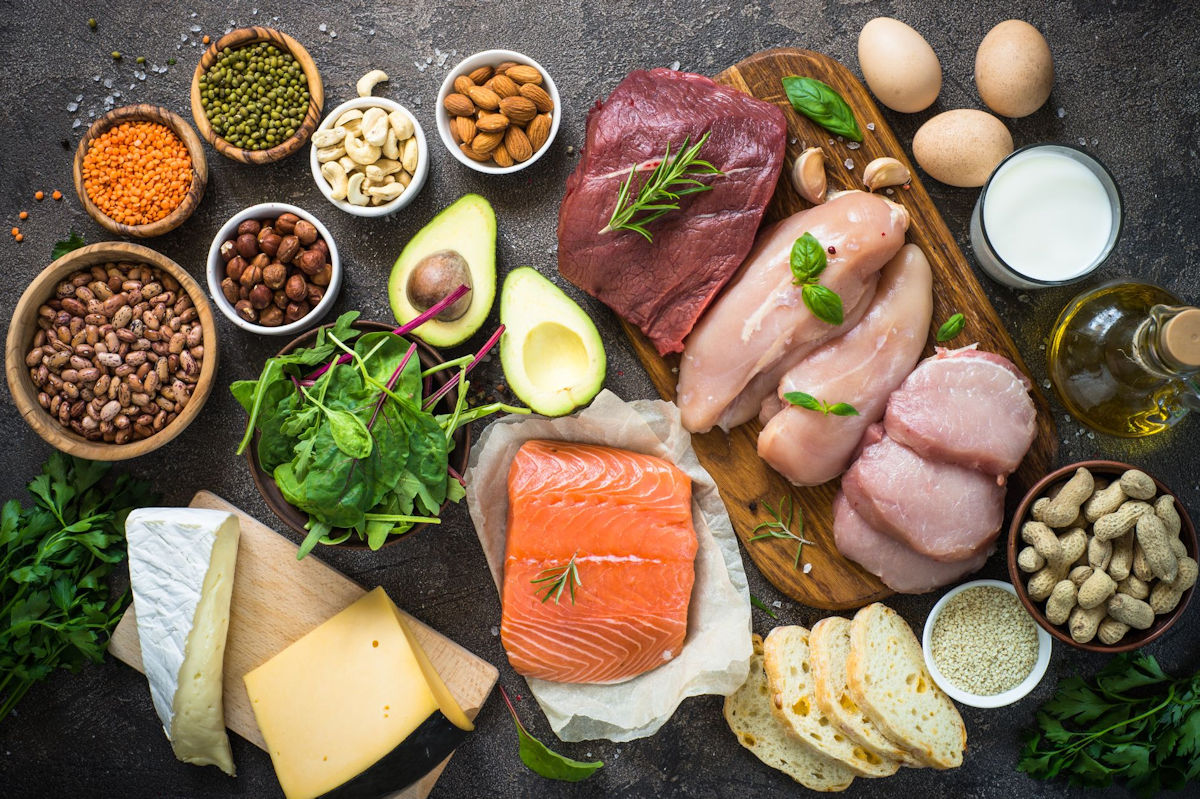
Here is a complete breakdown of the best lean protein sources across every food category.
1. Meats (per 4-ounce serving)
Lean cuts of poultry and beef deliver the highest protein per serving of any food category. The protein content varies by cut and preparation method. For lean pork done right, our teriyaki pork bowls use pork tenderloin and hit roughly 35 grams of protein per serving.
Meat
Protein (4 oz)
Turkey Breast
30g
Chicken Breast
28g
Lean Beef (filet, sirloin, or tenderloin)
30–35g
Lean Pork (tenderloin or loin)
22–24g
2. Fish and Seafood (per 4-ounce serving)
Fish is one of the leanest protein sources available, with the added benefit of heart-healthy omega-3 fatty acids in fatty varieties like salmon and sardines (6). For a quick weeknight dinner built around lean seafood, try our tuna tostadas.
Fish / Seafood
Protein (4 oz)
Salmon
25–30g
Tuna (canned, in water)
20–25g
Cod
20–25g
Haddock
20–25g
Shrimp
20–25g
Scallops
20–25g
Halibut
20–25g
Sardines (canned, in oil)
20g
3. Eggs
Eggs are one of the most protein-efficient foods available, and they are naturally portion-controlled.
See also

Egg Type
Calories
Protein
1 Large Whole Egg
80 cal
6g
1 Large Egg White
17 cal
3.6g
1 Egg Yolk
63 cal
2.4g
Some studies show that eating eggs for breakfast may reduce calorie intake later in the day by promoting feelings of fullness (7). Recent research also suggests that for most healthy people, dietary cholesterol from eggs does not significantly impact blood cholesterol levels or heart disease risk (8). If you have high cholesterol, speak with your doctor before changing your egg intake.
Eggs are also extremely versatile. Use whole eggs to make omelets or baked egg muffins with vegetables. Eat hard-boiled eggs as a snack or sliced over salads. Add liquid egg whites to smoothies or stir into oatmeal for a protein boost with no change in flavor. Our crustless veggie quiche is a great way to use whole eggs with vegetables in a single high-protein meal. If you are storing extra egg whites, see our guide on how long egg whites last.
4. Dairy
Dairy provides some of the highest protein-to-calorie ratios of any food group, particularly in the low-fat and fat-free varieties.
Dairy Source
Serving
Protein
Plain Greek Yogurt
¾ cup
18–20g
Cottage Cheese
½ cup
14–16g
Whey or Casein Protein
30g scoop
20–30g
Kefir
8 oz
8–10g
Cheese
1 oz
6–8g
Greek yogurt is also a good source of calcium and probiotics for gut health. Choose low or full-fat varieties, which are more satiating than fat-free options. Cottage cheese is similarly high in calcium and vitamin B12. If you use cottage cheese or Greek yogurt regularly, our guides on how long cottage cheese lasts and how long yogurt lasts can help you avoid waste.
Whey protein is fast-digesting and ideal for post-workout recovery. Casein is slow-digesting and provides a sustained release of amino acids, making it useful before bed. Both can be stirred into smoothies, oatmeal, eggs, and baked goods.
5. Legumes (per ½ cup cooked)
Legumes are the most protein-dense plant foods and also deliver significant fiber, which further supports satiety. Our red lentil soup is an easy way to get 15 to 20 grams of plant protein in a single bowl, and our Greek meze board makes chickpeas the centerpiece.
Legume
Protein (½ cup)
Soybeans (edamame)
15–20g
Lentils
8–10g
Beans (black, kidney, etc.)
7–10g
Chickpeas
7–8g
Edamame (shelled)
8–9g
Black-eyed peas
6–7g
Peas
4–5g
6. Plant-Based Protein for Vegetarians and Vegans
Plant-Based Source
Serving
Protein
Seitan
3 oz
15–20g
Pea Protein Isolate
1 scoop
15–20g
Tempeh
3 oz
11–15g
Tofu
3 oz
7–9g
Quinoa (complete protein)
1 cup cooked
8g
Soy Milk
1 cup
8g
Nuts and Seeds (almonds, hemp, chia, pumpkin)
¼ cup
6–8g
Seitan (wheat gluten) delivers the most protein per ounce of any plant food, but it is not suitable for people with gluten sensitivity. Tempeh is fermented, making it easier to digest than tofu and also a source of probiotics. Quinoa is one of the only plant foods that is a complete protein, meaning it contains all nine essential amino acids. Nuts and seeds are high in healthy fats but also high in calories. Eat them in moderation if fat loss is your goal.
🌿 Plant vs. Animal Protein: Key DifferenceAnimal proteins are generally complete sources of all nine essential amino acids. Most plant proteins are not complete, with the exception of quinoa, soy, and hemp seeds. However, eating a variety of plant proteins throughout the day (beans + rice, for example) provides all essential amino acids without needing to combine them in a single meal.
Tips for Incorporating More Protein Into Meals
The simplest way to increase protein intake is to build every meal and snack around a protein anchor before adding other components.
Add a scoop of protein powder to your morning smoothie or oatmeal for an easy 20 to 30 gram boost.
Top salads with grilled chicken, shrimp, or canned tuna plus a half-cup of beans for a double protein hit.
Snack on a hard-boiled egg, a container of Greek yogurt, or a handful of almonds instead of crackers or chips.
Use legumes in soups, stews, and grain bowls, where they add fiber and protein simultaneously.
Batch-cook chicken breasts or hard-boiled eggs at the beginning of the week for ready-made protein throughout the week.
Swap regular pasta for chickpea or lentil pasta to add 10 to 15 extra grams of protein per serving.
How Much Protein Do You Need Each Day?
Most adults need 0.8 grams of protein per kilogram of body weight per day at minimum, but active people, older adults, and those trying to lose fat need significantly more (9).
Activity Level
Protein per kg
Example: 150 lb person
Sedentary adult
0.8g/kg
~55g/day
Over age 40 (to prevent sarcopenia)
1.0–1.2g/kg
60–80g/day
Regularly active
1.1–1.5g/kg
75–100g/day
Lifting weights or in training
1.2–1.7g/kg
80–115g/day
Consuming more than 2 grams of protein per kilogram of body weight per day has been linked to potential health risks including kidney strain and dehydration in susceptible individuals (10). If you are obese, adjust your target weight before calculating protein needs to avoid overestimating. Use this calculator for personalized figures, or download MyFitnessPal to track daily intake. A registered dietitian can also build a personalized plan for your goals.
Frequently Asked Questions
What is the best lean protein for weight loss?Chicken breast and plain Greek yogurt are generally the best starting points. Both are widely available, high in protein (25 to 30 grams per serving), relatively inexpensive, and low in saturated fat. Canned tuna and eggs are close behind for convenience and cost.
What foods are highest in lean protein?The highest lean protein foods by protein-to-calorie ratio are egg whites, canned tuna in water, chicken breast, shrimp, turkey breast, and non-fat Greek yogurt. All deliver 20 or more grams of protein per serving with under 150 calories.
Is chicken or fish better for lean protein?Both are excellent lean protein sources. Chicken breast edges out most fish slightly in protein per ounce (about 8g vs. 6g), but fatty fish like salmon offers the additional benefit of omega-3 fatty acids that chicken does not. For pure protein efficiency, chicken wins slightly. For overall nutritional benefit, include both.
What is a good lean protein snack?Hard-boiled eggs (6g each), a container of plain Greek yogurt (18 to 20g), string cheese with a handful of almonds (10 to 12g combined), or a small can of tuna (20g) are all high-protein snacks that require no preparation. Cottage cheese (14 to 16g per half cup) also works well with fruit or on whole-grain crackers.
How much protein do I need per day to lose weight?For fat loss specifically, most research supports 1.2 to 1.6 grams of protein per kilogram of body weight per day, which is higher than the standard sedentary recommendation of 0.8g/kg. For a 150-pound person (68kg), that means 80 to 110 grams of protein daily. Spreading protein intake across three to four meals rather than loading it all at dinner is more effective for muscle protein synthesis.
Further Reading
Better Living may earn commissions through affiliate links and may occasionally feature sponsored or partner content. If you make a purchase through our links, we may receive a small commission at no cost to you.



