As anime continues its rapid worldwide growth, and fan bases keep expanding without any end in sight, some of the legends of old have seen their popularity begin to fade, and their position as titans in the industry lose some weight. On the other hand, some shows have seen their popularity skyrocket among newer fans, enjoying a second life of sorts years after they initially broke through in the West.
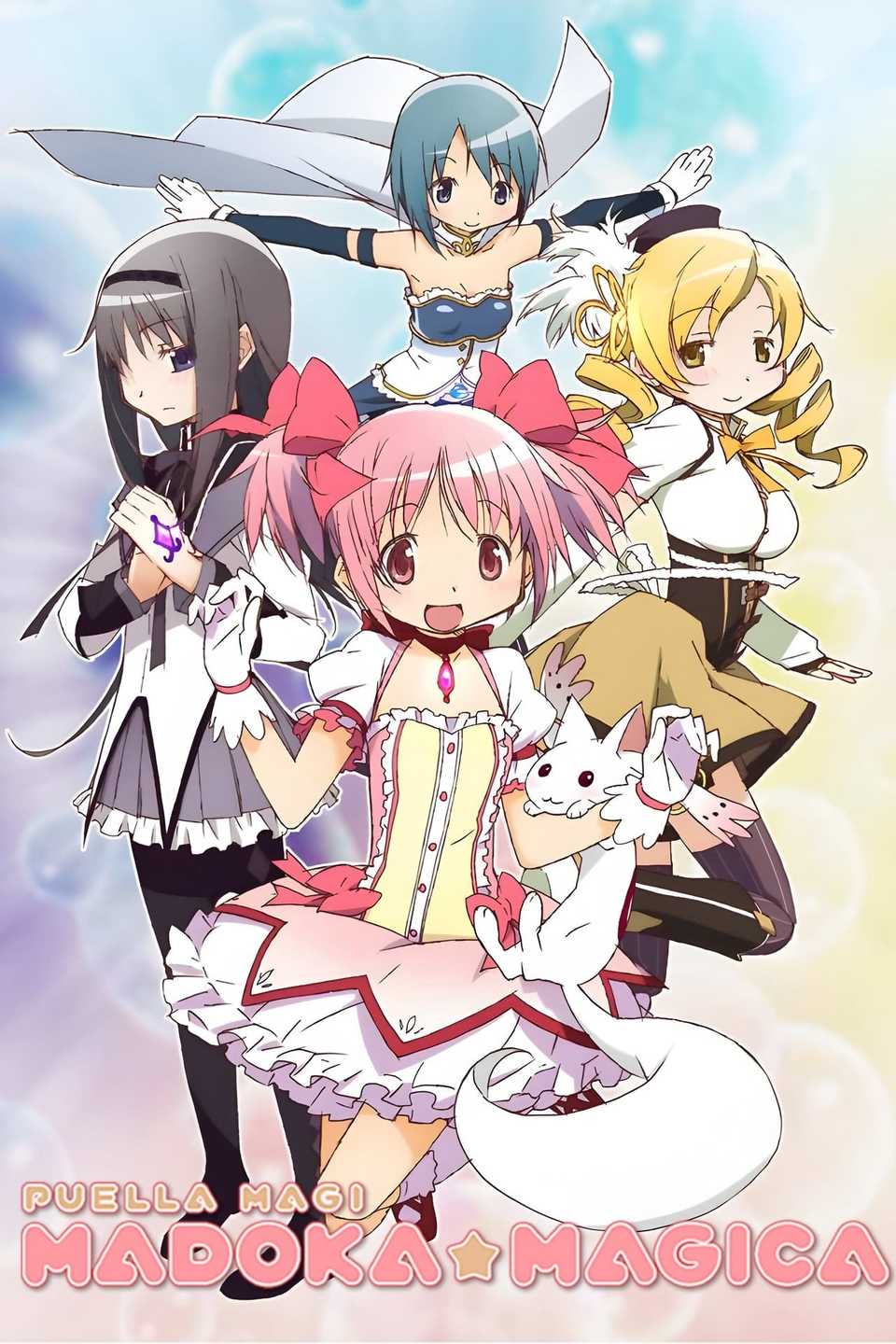
Among those shows is the classic psychological dark fantasy, Puella Magi Madoka Magica, which came to an end nearly 15 years ago to the day. On the surface, thanks largely to its marketing material and the designs of its characters, Madoka Magica seems like little more than another run-of-the-mill magical girl series.
However, it doesn’t take long for the show to reveal its darker side, not so hidden beneath its bright colors and often softer art style. That diversion has allowed the series to continue shocking viewers for a decade and a half since its airing, and though 15 years of fandom have littered the internet with spoilers at every turn, Madoka Magica’s endless twists and turns are every bit as effective today as they were in 2011.
15 Years Later, Puella Magi Madoka Magica Has Aged Like Fine Wine
Despite Its Secret Being Long Out, Madoka Magica’s Magic Has Worked on Generations of Anime Fans

The Magical Girl genre has been one of the most popular in anime for decades. Going back to the ’70s, traces of what would eventually become the most common tropes in the genre’s biggest titles can be found, with franchises like Sailor Moon and Pretty Cure perfecting formulas that continue to see use today. In 2011, however, Puella Magi Madoka Magica took those tropes, flipped them upside down, and took a magnifying glass to the aspects of Magical Girl anime that weren’t so glamorous.
Quickly into the show’s runtime, the first twist of many occurs, though it isn’t one the series really sets up on its own. From the very beginning, there’s a melancholy to Madoka Magica, helped by studio Shaft’s production. Instead, the twist makes use of its audience’s pre-conceived expectations about what a Magical Girl anime should be, revealing the very dangerous nature of its magic system, accompanied by uniquely dark and often experimental visuals. The severity of the danger surrounding the Magical Girl lifestyle is then hammered home by the death of Mami Tomoe in episode #3.
Its early twists aren’t the only times Madoka Magica pulls a fast one on its audience, either. Throughout the entirety of the series’ 12 episodes, there is rarely a time the audience will feel that they’re in on the secret, and it all comes to a head during the show’s final act. Homura Akemi, who is presented as a villain from episode #1, is revealed to have been attempting to save Madoka, repeating the same sequence of events countless times trying to avoid the same disastrous conclusion.
The twist is arguably the series’ most effective, and almost exactly 15 years on, it’s helped Madoka Magica become a multi-entry mega franchise that’s just as relevant as it’s ever been.
Puella Magi Madoka Magica Isn’t Finished Yet
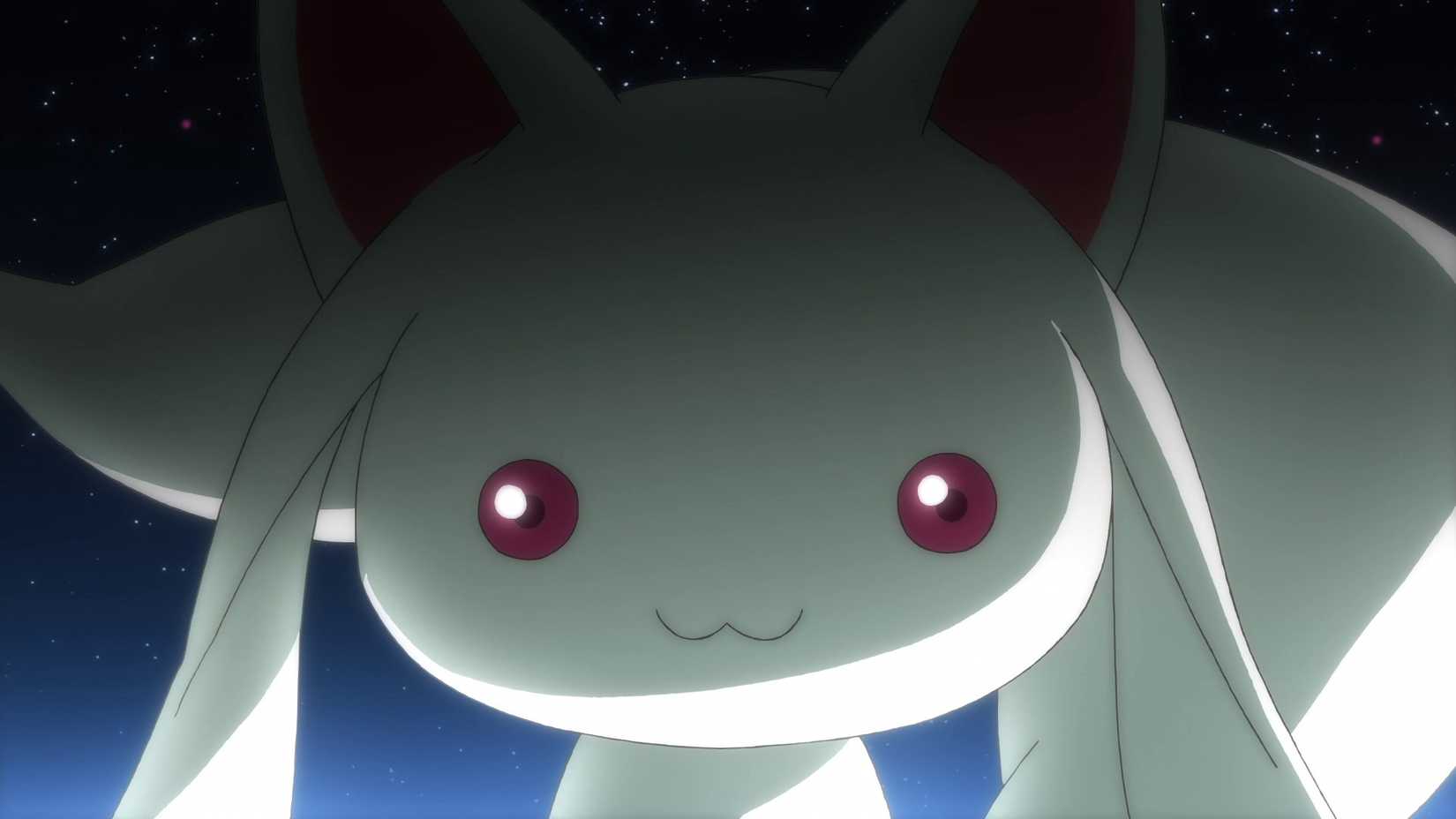
It’s been 15 years since Puella Magi Madoka Magica finished airing, and though some other major shows of the late 2000s and early 2010s have faded in popularity, the series has remained as relevant as ever thanks in part to an ongoing series of companion films. The last, titled Rebellion, was released in 2013, though the promise of a continuation has kept the attention of fans. A new film, Walpurgisnacht: Rising, was officially announced in 2021, and after a series of setbacks, is currently slated to premiere in August 2026.
Related
10 Classic Anime Series That Needed a Remake Yesterday
Many classic anime are so good that they are overdue for a remake that will improve the quality of their animation and captivate new audiences.
Puella Magi Madoka Magica ended 15 years ago, though its endless twists and turns, which have aged gracefully despite endless online discourse having ruined the fun for new viewers, have allowed the series to remain a powerhouse in the industry. Fans won’t want to miss its scheduled return later this year.
Release Date
2011 – 2011
Directors
Akiyuki Shinbo, Yukihiro Miyamoto
Writers
Gen Urobuchi