

We all love a good plot, but the really great books cast a spell through the writing itself. They’re beautiful on a sentence-by-sentence level, full of striking images or perfectly crafted turns of phrase, balancing description and character work with pure, almost lyrical prose. Every word is a crucial part of the experience.
With that in mind, this list looks at some phenomenal books that are brilliantly written. They go beyond simply having solid worldbuilding or memorable characters; here, the flow of the words is what’s special. Whether lyrical, restrained, philosophical, or emotional, the titles below represent literature at its finest.
‘All the Light We Cannot See’ (2014)
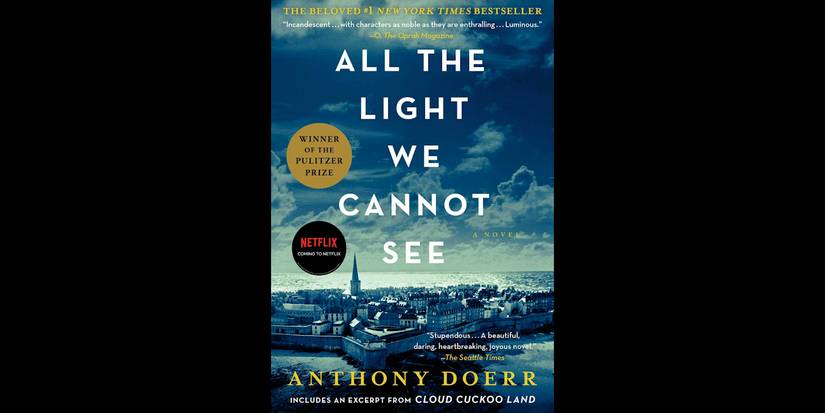
Image via Scribner
“Open your eyes and see what you can with them before they close forever.” This one was made into a TV series, but the book is a lot better. It introduces us to Marie-Laure, a blind French girl, and Werner, a gifted German orphan whose talent for engineering draws him into the Nazi war machine during World War II. Their seemingly separate journeys gradually converge amid the destruction of occupied France.
The writing style in All the Light We Cannot See is very lyrical, made up of short, striking sentences and chapters (often just a few pages long), and with a focus on sensory details. In particular, Anthony Doerr vividly brings to life Marie-Laure’s impressions of sound, taste, touch, and smell. Character-wise, the novel paints all of the main players in shades of gray; even the good ones are flawed, and even some on the bad side are tragic rather than outright evil.
‘A Gentleman in Moscow’ (2016)
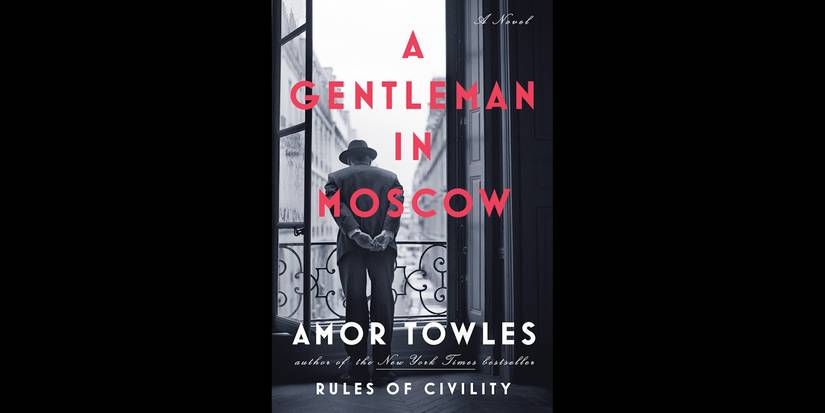
Image via Viking
“We are the books we read and the things we love.” This one was also made into a series (featuring a fantastic Ewan McGregor), though, again, reading the novel is a more rewarding experience. The main character here is aristocrat Count Alexander Rostov, who, after the Russian Revolution, is sentenced to lifelong house arrest inside Moscow’s luxurious Metropol Hotel. Over decades, he watches Soviet history unfold beyond the hotel’s walls.
Although cut off from the outside world, Rostov has a surprisingly full life in his confined environment. He discovers purpose, friendship, and love in the hotel, forming a particularly close bond with the nine-year-old Nina and, years later, her daughter Sofia. Rather than plot machinations, the book keeps us engaged through tone, pacing, characterization, and warm prose, as ornate as the hotel itself. Rostov thinks and speaks in a refined, literate way, brought to vivid life by author Amor Towles’ skilled pen.
‘The Book Thief’ (2005)
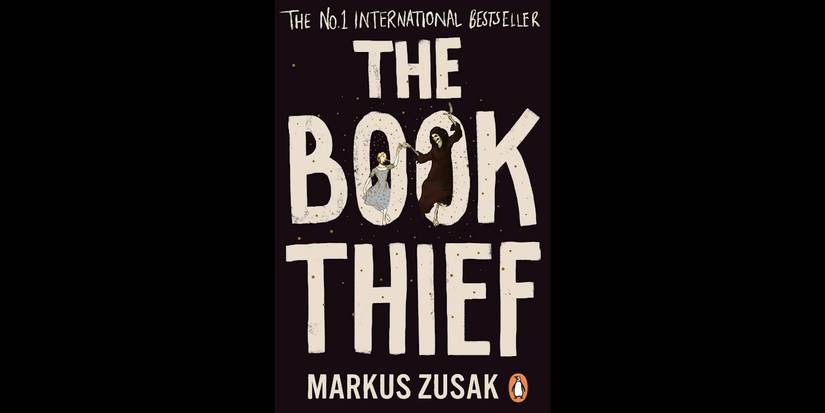
Image via Knopf Books for Young Readers
“I have hated the words, and I have loved them.” This one has some parallels to All the Light We Cannot See, though it’s a little more fantastical and colorful. Narrated by Death itself, The Book Thief tells the story of Liesel Meminger, a young girl growing up in Nazi Germany whose love of books becomes both a source of comfort and an act of quiet resistance after her foster family begins sheltering a Jewish refugee in their basement.
The framing device is the most striking aspect of the book. Choosing Death as narrator could easily have become a gimmick, but author Markus Zusak makes it an intrinsic part of the story and themes. The Grim Reaper’s weary compassion and dark humor add another emotional layer to the novel. At the same time, Zusak’s descriptions and metaphors are vibrant and memorable, with a treasure to be found on almost every page.
‘Life of Pi’ (2001)
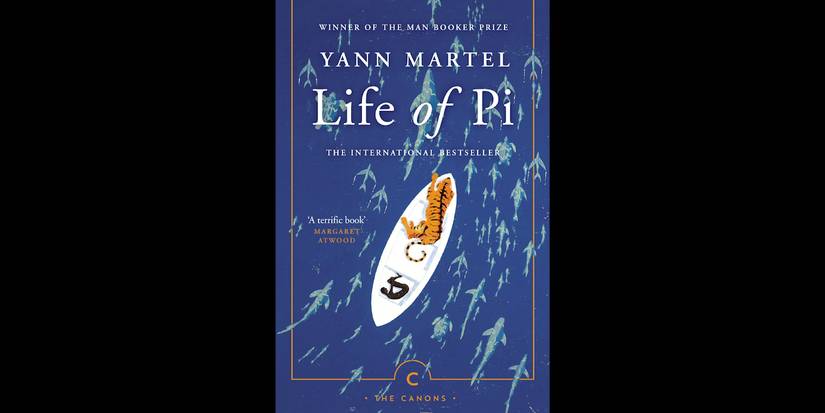
Image via Mariner Books Classics
“I must say a word about fear. It is life’s only true opponent.” Yann Martel recently published a great new novel called Son of Nobody, though Life of Pi remains his undisputed masterpiece. It centers on sixteen-year-old Pi Patel, who is stranded on a lifeboat in the Pacific Ocean after a cargo ship sinks, his only companions a hyena, a zebra, an orangutan, and a Bengal tiger.
This premise sets the stage for an unusual survival story, as well as a meditation on faith, truth, and the stories people choose to believe. Martel’s storytelling here is philosophical but lively, full of rich descriptions and intense, naturalistic imagery, nimbly fusing adventure and religious allegory. The narrative structure is inventive, too, unfolding in three different sections and times, each casting the previous one in a new light, and shifting our understanding of the plot.
‘East of Eden’ (1952)
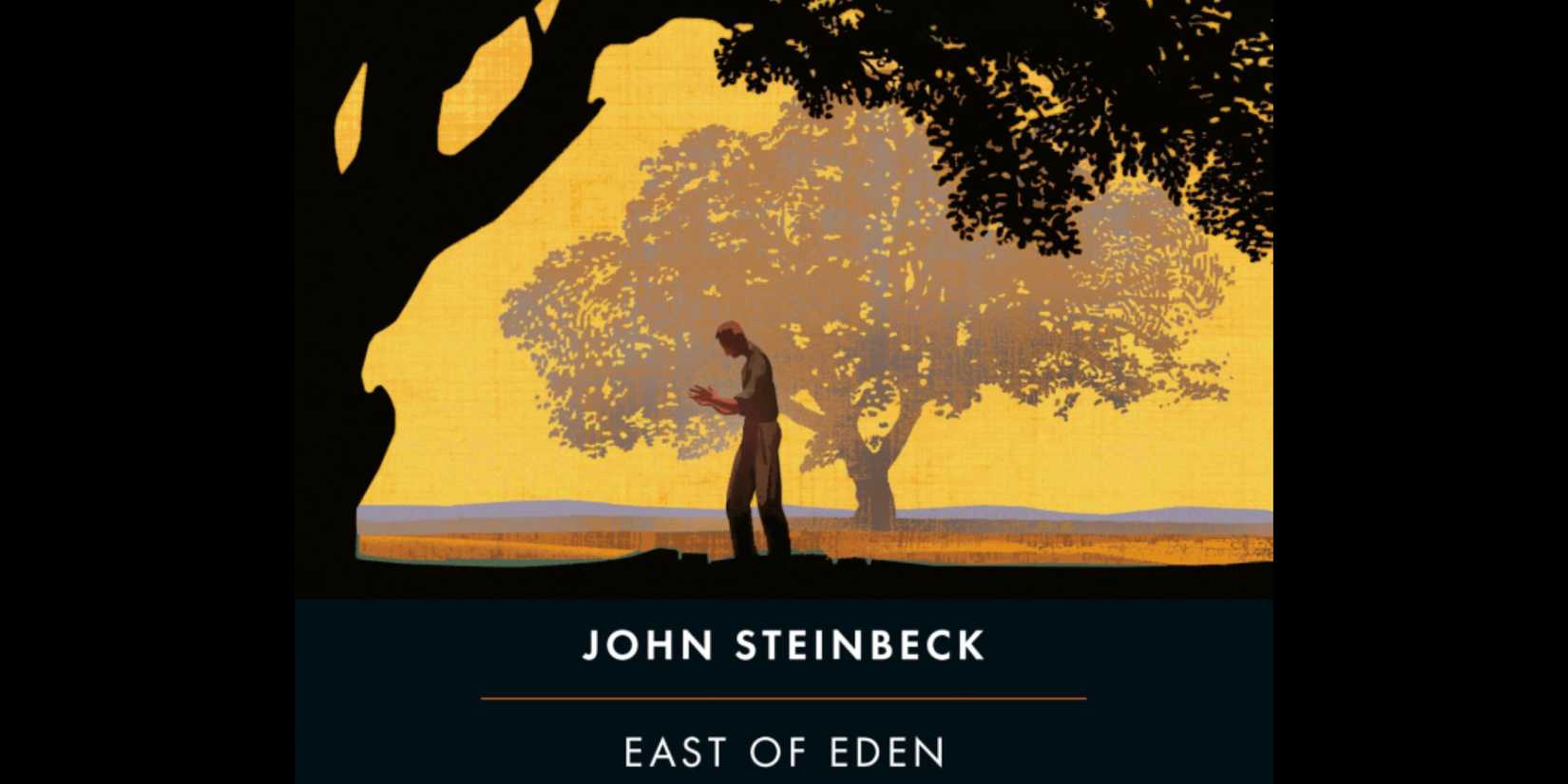
Image via Penguin Classics
“And now that you don’t have to be perfect, you can be good.” One of Steinbeck’s essential novels, East of Eden chronicles multiple generations of the Trask and Hamilton families in California’s Salinas Valley. It’s one of the most ambitious family sagas in American fiction, drawing inspiration from the story of Cain and Abel (the title is a Bible quote) and delving deep into big themes like love, jealousy, inheritance, and good versus evil.
Here, Steinbeck’s prose feels deceptively simple, with seemingly offhand sentences carrying hidden meaning or very deliberate word choices. The writing is full of warmth and wisdom, particularly when it comes to the character studies. Figures like Samuel Hamilton, Lee, Adam Trask, and Cathy Ames have remarkable psychological depth, making their triumphs and failures feel relatable and almost timeless. Not for nothing, Steinbeck considered it his magnum opus.
‘The Secret History’ (1992)
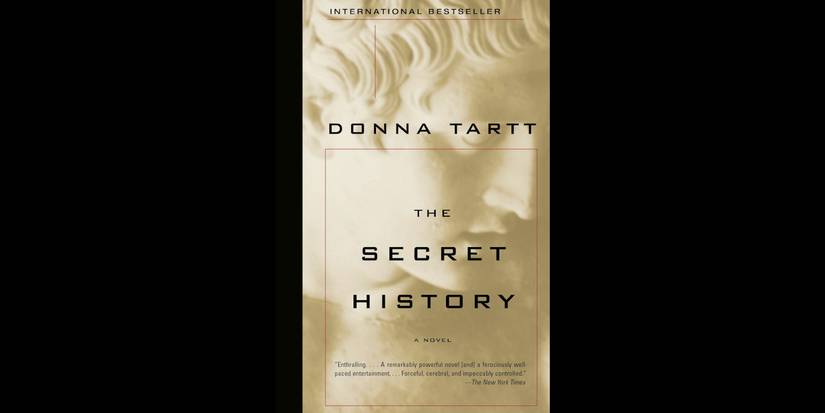
Image via Alfred A. Knopf
“Beauty is terror. Whatever we call beautiful, we quiver before it.” The Secret History opens with a confession: a group of elite classics students has murdered one of their closest friends. From here, the book slowly reveals why it happened. We focus on Richard Papen, an isolated young man who becomes increasingly entangled in an insular, intellectually intoxicating circle of friends studying ancient Greek.
The writing is brilliant throughout, referencing and paying tribute to a lot of classic literature and Greek mythology. Aesthetically, the writing is elegant and immersive, conjuring up a world of fire-lit common rooms and grand libraries, desirable yet mysteriously off-putting, toxic even. Suitably, every conversation, lecture, and dinner party also carries an undercurrent of unease; the characters are smart but arrogant, and their search for beauty and knowledge leads instead to moral decay. The Secret History is intellectual and gripping at the same time.
‘Blood Meridian’ (1985)
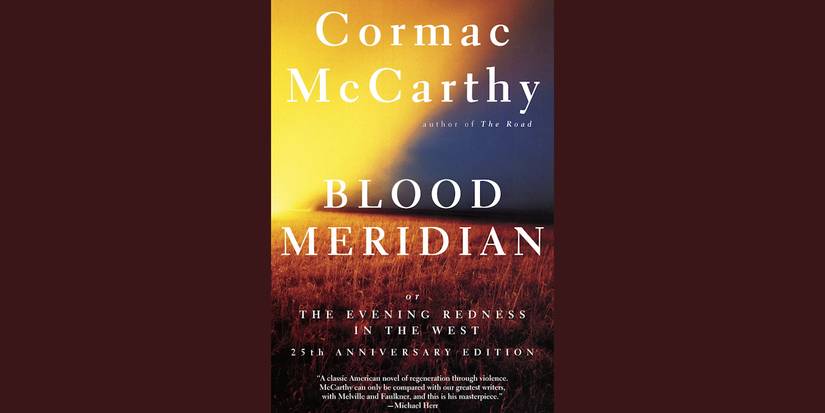
Image via Random House
“Whatever in creation exists without my knowledge exists without my consent.” Blood Meridian is widely considered to be Cormac McCarthy’s finest achievement. Inspired by historical events along the Texas-Mexico border, it revolves around the unnamed Kid as he joins the Glanton gang, a brutal group of scalp hunters led by the mysterious, terrifying Judge Holden. The tale is violent and almost mythic, boasting breathtaking descriptions of deserts and mountains along with random outbursts of bloodshed.
Here, McCarthy uses biblical cadences and a ridiculously expansive vocabulary (some ancient terms will have readers reaching for a dictionary), every word contributing to a feeling of cosmic dread. The sentences tend to be punchy and often lack apostrophes or commas, which some critics view as an homage to Faulkner. Taken together, the result is a kind of Gothic anti-Western, a relentlessly grim, bleak, macabre dissection of evil.
‘The Sun Also Rises’ (1926)
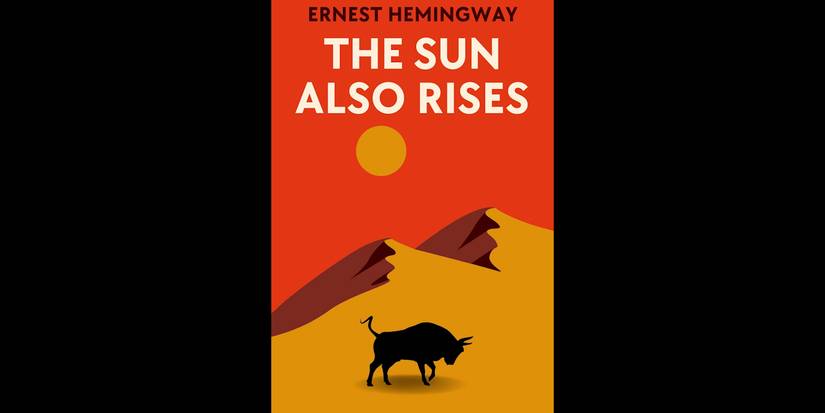
Image via Tech Tok Ltd
“You can’t get away from yourself by moving from one place to another.” The Sun Also Rises is one of Hemingway’s most well-rounded books, boasting his signature precise, economical prose. It’s about American journalist Jake Barnes, who travels through Spain and France with a group of expat friends in the years after World War I, searching for meaning, love, and distraction. Along the way, Jake falls in love with Lady Brett Ashley.
As usual, the writing style is understated and stripped back, almost hard-boiled. The dialogue is usually simple, and the descriptions are sparse. Rather than explicitly explaining his characters’ inner lives, Hemingway depicts longing, disappointment, jealousy, and loneliness through what remains unsaid. He called this “iceberg theory,” where the limited information we have access to hints at greater, unseen complexity.
‘One Hundred Years of Solitude’ (1967)
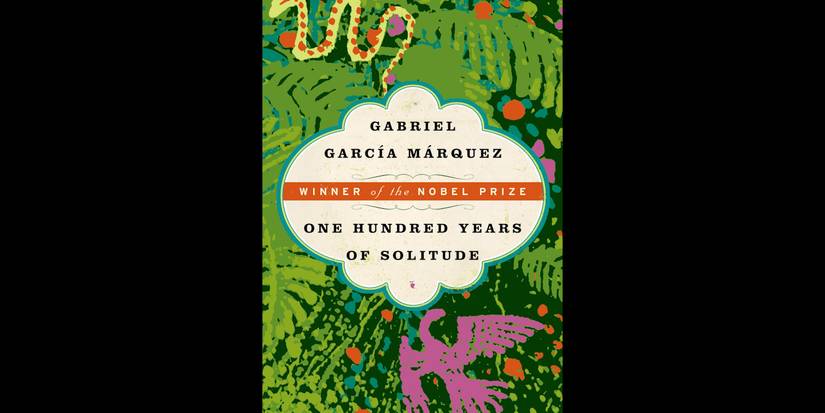
Image via Harper Perennial Modern Classics
“It was as if God had decided to put to the test every capacity for surprise.” A landmark of magical realism, One Hundred Years of Solitude follows seven generations of the Buendía family in the mythical town of Macondo, where ghosts converse with the living, miracles occur without explanation, and history seems destined to repeat itself forever. Here, the extraordinary coexists with the ordinary.
The prose is confident and sincere, presenting the impossible with complete matter-of-factness. García Márquez’s long, flowing sentences make everything feel simultaneously epic and personal, touching on themes of memory, solitude, and love. Each magical event serves a symbolic purpose, and certain images, color-coded in one of the book’s more accessible techniques, recur throughout. One Hundred Years of Solitude continues to be held in high regard and is considered one of the great classics of world literature.
‘The Great Gatsby’ (1925)
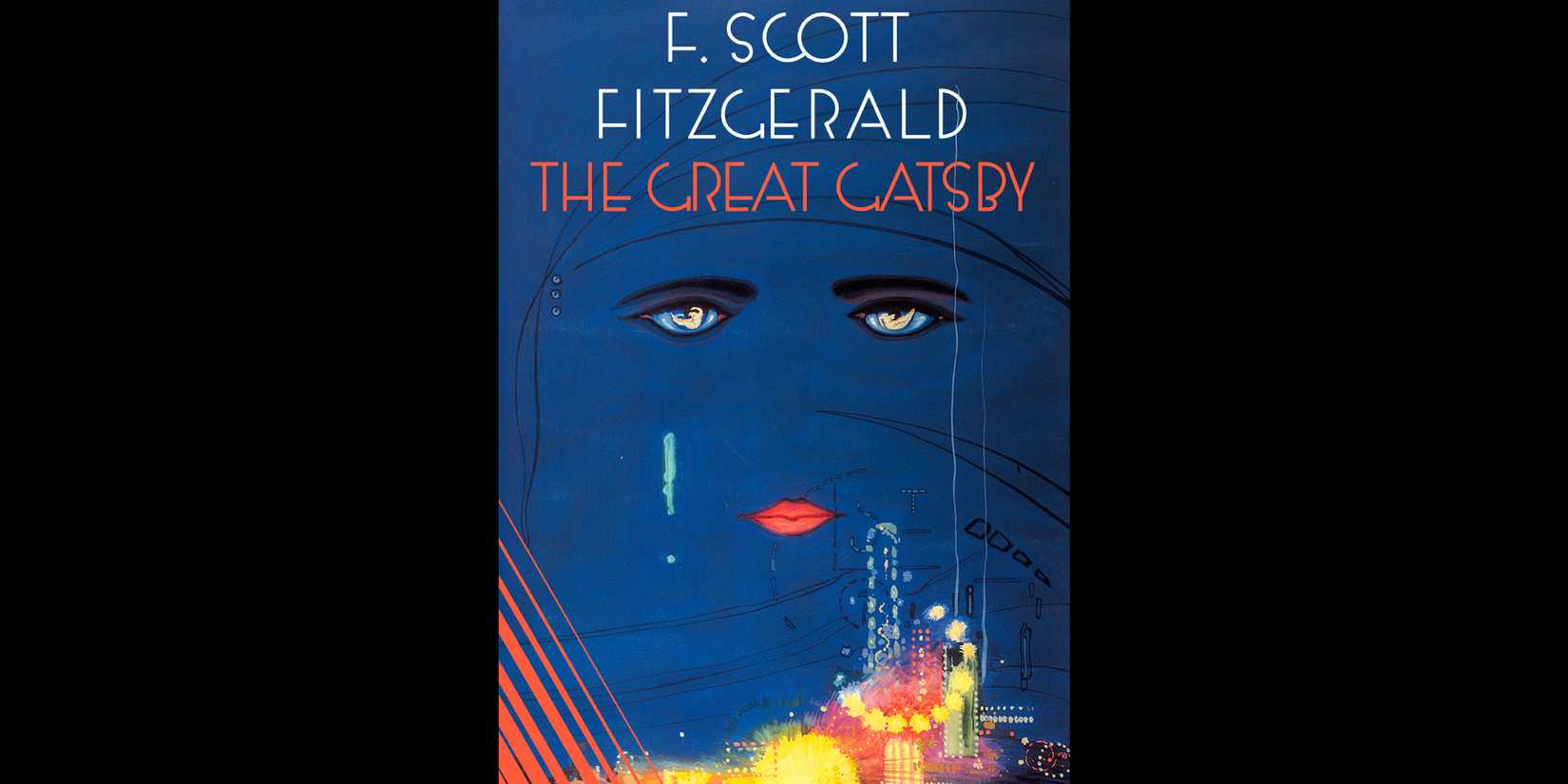
Image via Scribner
“So we beat on, boats against the current, borne back ceaselessly into the past.” Narrated by Nick Carraway, The Great Gatsby tells us about millionaire Jay Gatsby’s obsessive pursuit of his lost love, Daisy Buchanan, against the glittering backdrop of America’s Jazz Age. The Great Gatsby captured the Roaring Twenties like lightning in a bottle, a world of glamorous parties and lavish mansions, but also illusion and destructive ambition, where cracks show in the American dream.
Nearly every page of the book contains sentences that have become part of literary history, from the brilliant opening line (“In my younger and more vulnerable years, my father gave me some advice that I’ve been turning over in my mind ever since”) to the gorgeous, haunting final paragraph. Likewise, several of F. Scott’s Fitzgerald’s literary symbols continue to endure, the green light most of all.



