

Escape the crowds and discover the Greece that locals know and love. While Santorini and Mykonos dominate Instagram feeds, some of Greece’s most enchanting islands remain blissfully overlooked by mass tourism. These hidden gems offer something increasingly rare in modern travel: the space and time to truly slow down.
Slow travel is about depth over distance. It’s choosing to spend a week on one island instead of racing through five. It’s learning the café owner’s name, returning to the same beach three days in a row, and letting the Mediterranean rhythm set your pace. It’s watching fishermen mend their nets at dawn, lingering over three-hour lunches, and discovering that the best moments often happen when you have nowhere else to be.
The Greek islands, with their rhythm of morning swims, long seaside lunches, and evenings that stretch past sunset, naturally lend themselves to this unhurried style of travel. This is where, rather than racing between ferries and checklists, you slowly settle in – learning the name of the café owner, returning to the same beach two days in a row, letting the light and landscape set the pace.
With walkable villages, strong local culture, and accommodations designed for genuine immersion, certain islands make it effortless to embrace slow travel.
Here are seven Greek islands perfect for slow travel, where you can trade your itinerary for intuition and your packed schedule for spontaneous swims.
Quick Guide: 7 Best Greek Islands for Slow Travel
Kefalonia – Pine-covered hills and turquoise coves
Ithaca – Compact, walkable, and storybook charming
Sifnos – Culinary capital of the Cyclades
Naxos – Wide beaches and authentic villages
Paros – Perfect balance of charm and accessibility
Folegandros – Clifftop serenity above the sea
Amorgos – Untouched landscapes and meditative pace
Why Choose Slow Travel in the Greek Islands
The benefits of slow travel extend far beyond just seeing fewer tourists. When you stay longer in one place, you spend more money at family-run tavernas, book locally owned accommodations, and form genuine connections with residents. You’re not just passing through – you’re temporarily joining a community.
Greece’s rich cultural heritage makes it particularly well-suited to this approach. With 19 UNESCO World Heritage Sites scattered across the mainland and islands – from ancient temples to Byzantine monasteries to medieval towns – the country offers layers of history that reward extended exploration. The official Greek tourism site Visit Greece notes that the country includes 6,000 islands and islets, of which only 227 are inhabited, meaning countless opportunities exist for discovering your own hidden paradise.
For the Greek islands specifically, slow travel allows you to experience the true rhythm of Mediterranean life – something impossible to grasp in a two-day stopover between ferry connections. You’ll taste the difference between a rushed seaside lunch and a three-hour feast where courses arrive when they’re ready, not when your schedule demands.
7 Best Greek Islands for a Slow Travel Experience
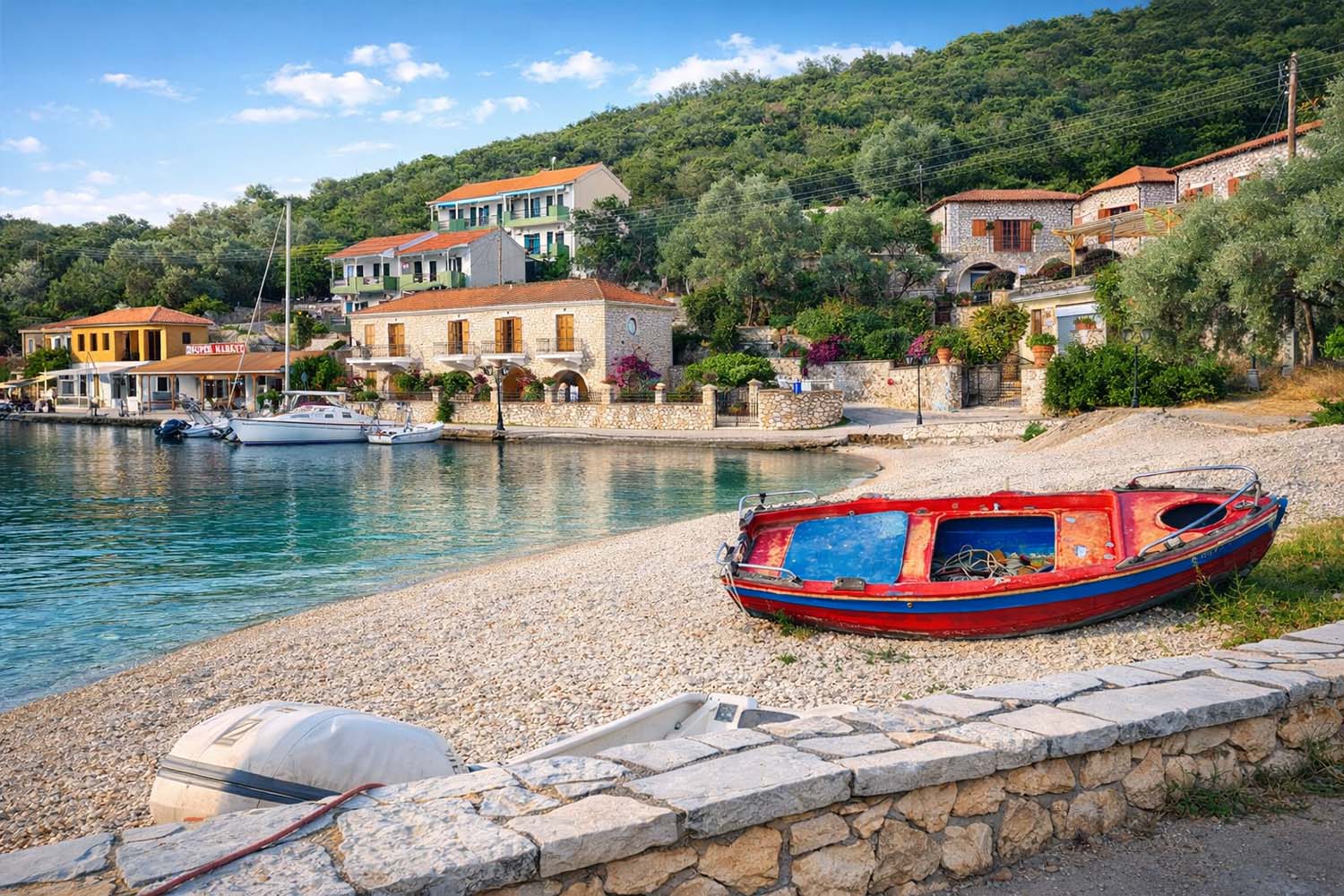
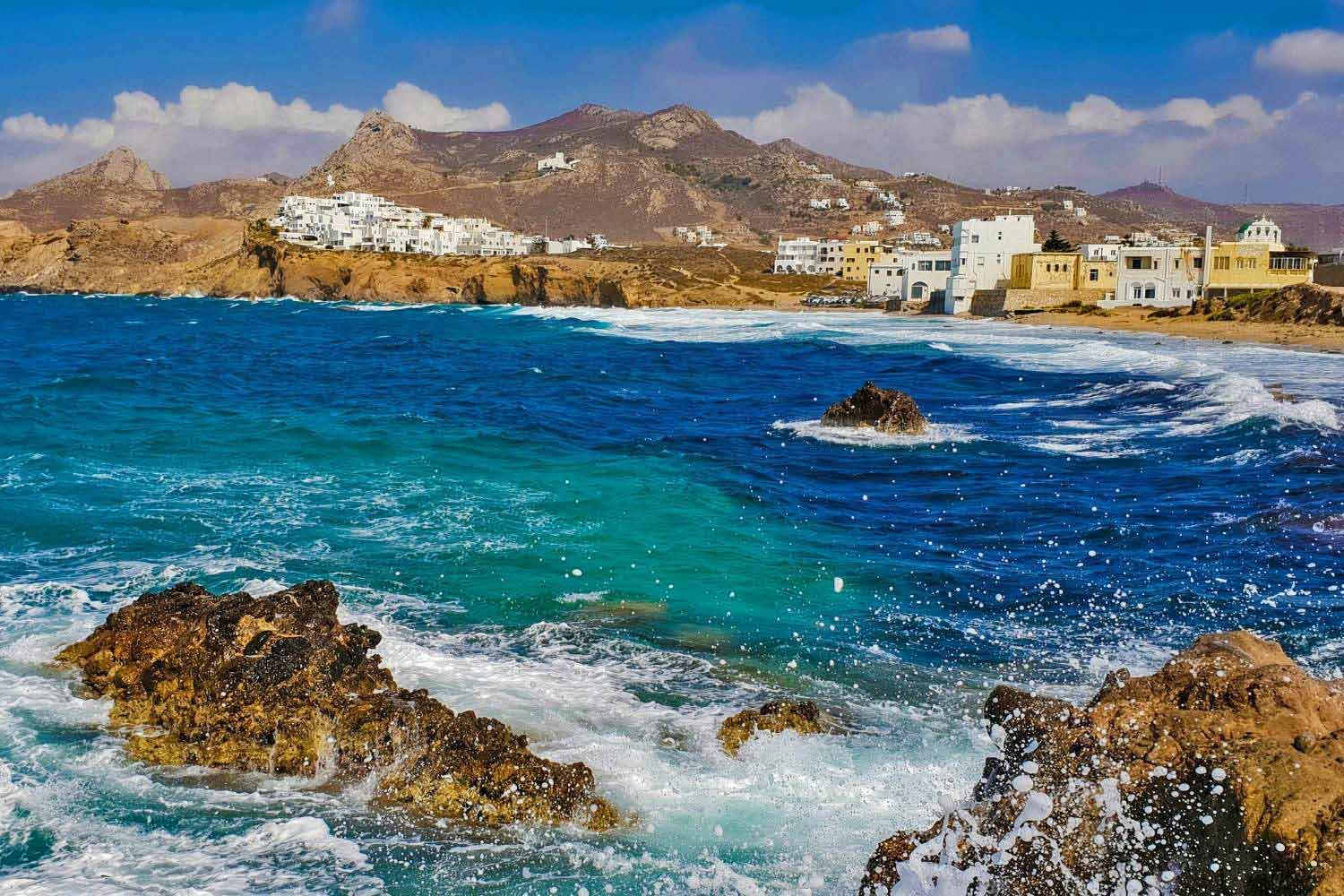
How to Plan Your Greek Island Slow Travel Experience
Choose Your Season Wisely
The best times for slow travel in the Greek islands are late spring (May-June) and early fall (September-October). During these shoulder seasons, you’ll find:
Comfortable temperatures (70-80°F) perfect for hiking and beach time
Fewer crowds as mass tourism peaks in July-August
Lower accommodation prices (often 30-40% less than high season)
More interaction with locals as they have more time to chat
Fresh seasonal produce at markets
Reliable ferry schedules with less weather disruption
Winter (November-March) offers the ultimate slow experience with rock-bottom prices and authentic village life, but many tourist facilities close and ferry schedules reduce significantly.
Stay Longer, See Less
The slow travel philosophy means resisting the temptation to island-hop rapidly. Instead of visiting five islands in ten days, consider:
One week on a single island to establish routines and make local friends
Ten days split between two neighboring islands (like Paros and Naxos)
Two weeks on one larger island like Naxos or Kefalonia, with day trips to smaller neighbors
Spending at least 4-5 nights in one location allows you to move beyond tourist experiences into authentic local life.
Book Thoughtful Accommodations
Choose accommodations that support your slow travel goals:
Villas or apartments with kitchens let you shop at markets and cook some meals
Family-run guesthouses provide personal recommendations and local insights
Properties slightly outside main towns offer quieter experiences while remaining walkable
Accommodations with outdoor spaces (terraces, gardens) encourage relaxation
Embrace the Local Rhythm
Greek island life follows a different tempo than most Western schedules:
Shops close 2-5 PM for siesta – use this time for beach, naps, or reading
Dinner starts around 9-10 PM and lasts 2-3 hours
Sunday mornings are for church followed by extended family meals
July-August brings religious festivals (panigyria) with music, dancing, and feasting
Fighting this rhythm creates stress. Embracing it creates magic.
What to Pack for Slow Travel in Greece
Packing light becomes easier when you’re staying in one place:
See also

Comfortable walking shoes (you’ll cover miles on cobblestones)
Modest clothing for visiting churches and monasteries
Sun protection (hat, sunglasses, reef-safe sunscreen)
A good book or e-reader for those long beach afternoons
Light layers for cooler evenings
Reusable water bottle and shopping bag
Basic first aid kit and any prescription medications
Skip: Fancy clothes (even nice restaurants are relatively casual), hair dryer (most accommodations provide them), and excessive shoes (you’ll wear sandals 90% of the time).
Sustainable Slow Travel Practices
Slow travel naturally aligns with sustainable tourism, but you can enhance your positive impact:
Shop at local markets instead of supermarkets
Eat at family tavernas rather than chain restaurants
Walk or bike instead of renting cars for short distances
Avoid single-use plastics (bring reusable bags and bottles)
Respect siesta hours and local customs
Learn basic Greek phrases – locals deeply appreciate the effort
Support local artisans by buying authentic products, not mass-produced souvenirs
Staying longer in fewer places significantly reduces your carbon footprint while maximizing economic benefits for local communities.
Combine Your Greek Island Escape with These Regional Experiences
If you’re already investing time and money traveling to Greece, consider extending your trip with these nearby destinations:
Looking for more coastal charm? Our guide to Ocean Casino Resort offers a completely different beach experience back in the Mid-Atlantic.
Wine lovers should explore Virginia wine country – while not Greek, it offers its own version of slow travel through rolling vineyards and historic estates.
For budget-conscious travelers planning any trip, check our budget road trip tips which include strategies applicable to any destination.
And when you return home from Greece, why not recreate the flavors with our Greek yogurt lemon cream pie recipe – a perfect way to extend your Mediterranean memories.
Frequently Asked Questions About Greek Island Slow Travel
How long should I stay on each Greek island?
For true slow travel, plan a minimum of 5-7 nights on a single island. This gives you time to establish routines, make local connections, and experience the island beyond its tourist highlights. A week lets you have favorite spots, know the best times to visit beaches, and genuinely relax. If you only have 10-14 days total, choose 1-2 islands maximum rather than trying to see five or six.
Are these islands suitable for families with children?
Absolutely! These quieter islands often work better for families than busy tourist hotspots. Naxos and Paros offer the best infrastructure with gentle beaches, playgrounds, and family-friendly tavernas. Kefalonia provides space to spread out with rental villas. The slower pace means less stress about keeping to schedules, and kids can experience authentic Greek culture. Most Greek islanders adore children and welcome families warmly.
Do I need to rent a car on these islands?
It depends on the island. Smaller islands like Ithaca, Folegandros, and Amorgos are manageable with buses, bikes, and occasional taxis. Larger islands like Naxos, Paros, and especially Kefalonia benefit from having a car for exploring beaches and mountain villages. Many slow travelers rent a car for just 2-3 days mid-trip to explore, then return to walking for the rest of their stay. Scooters are popular but can be dangerous on windy mountain roads.
How much does a slow travel Greek island vacation cost?
Slow travel can actually be more affordable than rapid island-hopping. By staying in one place, you avoid repeated ferry costs (€30-60 per person per trip) and can cook some meals in apartment kitchens. Budget €80-120 per day for two people in shoulder season (including accommodation, food, and activities). Mid-range travelers spend €150-200 daily. Luxury slow travel can exceed €300+ daily. Accommodations range from €50-80/night for simple studios to €150-300+ for boutique hotels or villas.
What’s the best way to get between islands?
Ferries connect most Greek islands, with more frequent service May-October. High-speed ferries (2-4 hours between islands) cost more but save time. Slower conventional ferries (4-8 hours) are cheaper and more comfortable for day crossings. Always book tickets 3-7 days ahead in summer. Some islands have small airports with flights from Athens (often faster and comparable in price to ferries when booked in advance). For slow travel, view ferry days as part of the experience rather than wasted time – pack snacks, bring a book, and enjoy the journey.
Is it safe to travel alone as a woman on these islands?
Yes, the Greek islands are generally very safe for solo female travelers. These smaller, quieter islands feel even safer than tourist hotspots. Greeks are protective and helpful toward solo travelers. That said, practice normal precautions: avoid remote beaches alone at night, don’t accept drinks from strangers, and trust your instincts. The biggest “danger” is probably overeager older Greek men offering unsolicited advice or practicing their English – usually harmless but sometimes tiresome.
Do people speak English on these islands?
English is widely spoken in tourist areas, restaurants, and hotels, especially on more visited islands like Paros and Naxos. On quieter islands like Amorgos and Folegandros, older generations may speak limited English, but younger people typically speak it well. Learning basic Greek phrases (hello, thank you, please) goes a long way and is deeply appreciated. Slow travel provides perfect opportunities to practice – locals have more time and patience to help you learn.
What should I do if I get sick or injured on a Greek island?
All inhabited Greek islands have at least a medical center, and larger islands have hospitals. EU citizens can use their European Health Insurance Card (EHIC) for free or reduced-cost treatment. Non-EU travelers should have travel insurance with medical coverage. Pharmacies (identified by green crosses) are excellent resources – Greek pharmacists can provide advice and over-the-counter medications for minor ailments. For serious emergencies, call 112 (Europe’s universal emergency number). Larger islands have air ambulance services to Athens if necessary.
Your Greek Island Slow Travel Adventure Awaits
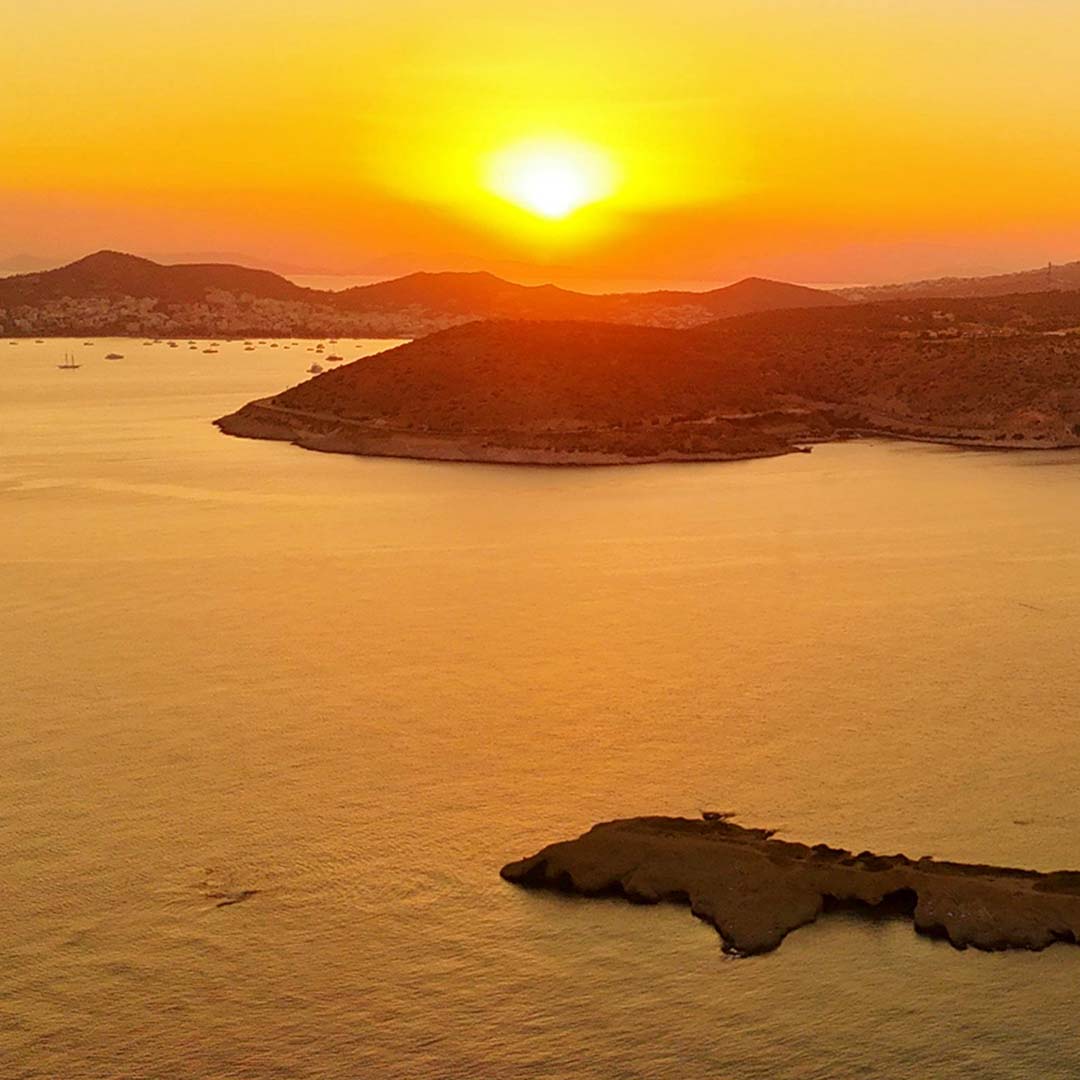
The Greek islands have perfected the art of slow living over millennia. From Kefalonia’s pine-scented coves to Amorgos’s cliff-hugging monasteries, these seven islands invite you to trade your itinerary for intuition, your packed schedule for spontaneous swims, and your need to see everything for the pleasure of truly experiencing something.
Slow travel in Greece isn’t about lowering your expectations – it’s about raising them to match what travel should really be: transformative, restorative, and deeply memorable. It’s about returning home with stories of conversations, not just sights. About friendships formed over long dinners, not selfies in front of monuments.
So choose your island, book that villa, and prepare to discover what happens when you give yourself permission to slow down. The Greek islands have been waiting for you – not the rushed, stressed version checking off attractions, but the relaxed, present version who finally has time to watch the sunset without simultaneously planning tomorrow.
With specialists like Ionian & Aegean Island Holidays handling the details, you can focus on what matters: choosing which beach to return to today, whether to have lunch or dinner at your favorite taverna, and deciding if you want to nap in the hammock or finish that book. Those are the only decisions slow travel requires.
Share Your Slow Travel Stories
Have you experienced slow travel in the Greek islands? Which island captured your heart? What advice would you give other travelers considering this approach? Share your experiences in the comments below – your insights might help someone plan their perfect Greek island escape.
Better Living uses affiliate links. If you make a purchase through them, we may receive a small commission (for which we are deeply grateful) at no cost to you.



