

The Harry Potter film series is one of the best and most wondrous to hit screens so far this century. That is the kind of impact that J.K. Rowling’s ‘Harry Potter’ book series has generated. The worldwide phenomenon which centers on a British boy (Daniel Radcliffe) who attends a school for wizards enchanted legions of readers with its unforgettable characters, riveting narrative, engrossing world, and, of course, a wondrous system of magic spells.
The spells in Harry Potter cover a multitude of purposes, from completing mundane housework to self-defense to eliminating one’s enemies with extreme prejudice. With the wizarding world still front-of-mind as a trending pop-culture series, it’s little surprise that the Harry Potter tale is set to be adapted for the small screen, with a seven-season series reportedly ordered by Max. While it remains to be seen if the series will be able to re-capture the captivating sense of movie magic that made the films thrive, it seems a safe bet that these iconic spells will feature in the show at some point.
35
Impedimenta
Impediment Jinx
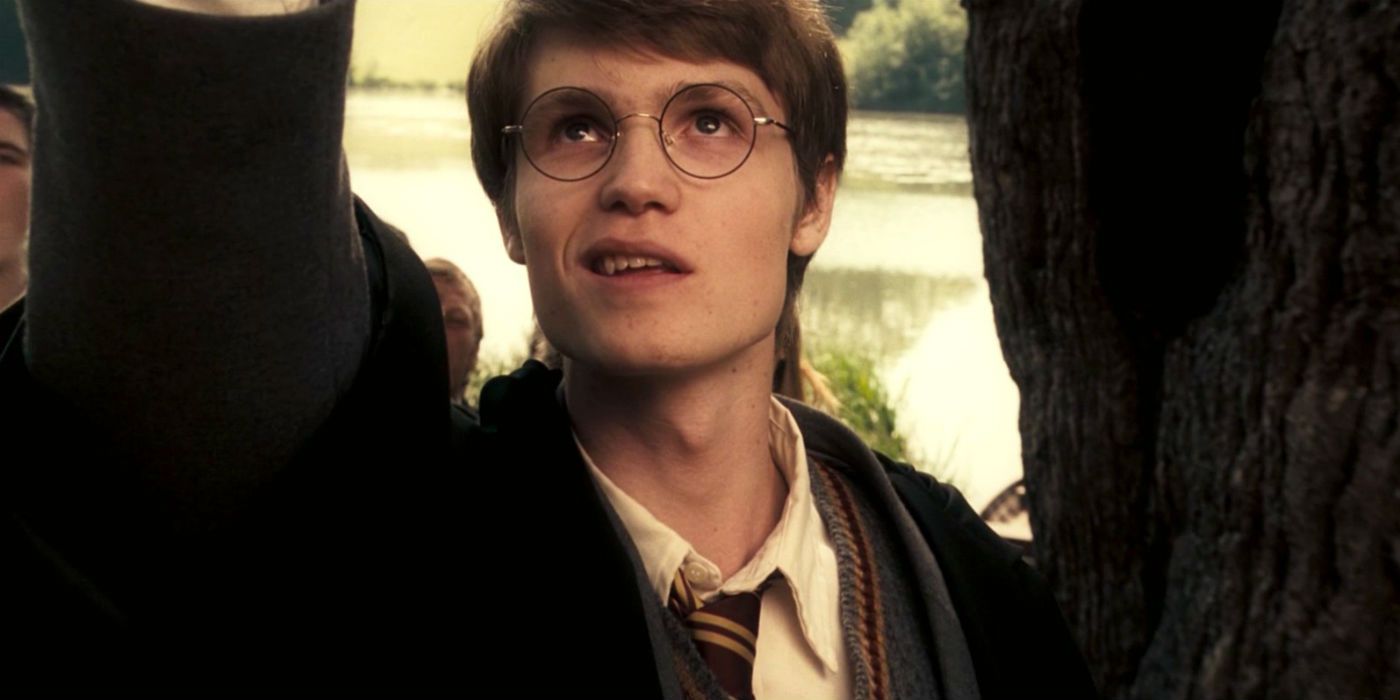
As the incantation Impedimenta implies, the spell impediments the target, making them slow down or stop completely, depending on the intensity of the jinx. It’s especially a useful spell for dueling, slowing down your opponent so they become an easier target for attack spells. However, the jinx’s most notable use was during a flashback in Harry Potter and the Half-Blood Prince.
During the film, Harry is coached by Professor Snape (Alan Rickman), where the latter rummages through Harry’s head. But Harry has enough and goes through Snape’s head, where he witnesses his father bullying Snape. In the novels, James Potter uses Levicorpus to throw Snape into the air, but in the films, James uses Impedimenta, likely to slow down and gain control of his prey. —Jasneet Singh
34
Confundo
Confundus Charm
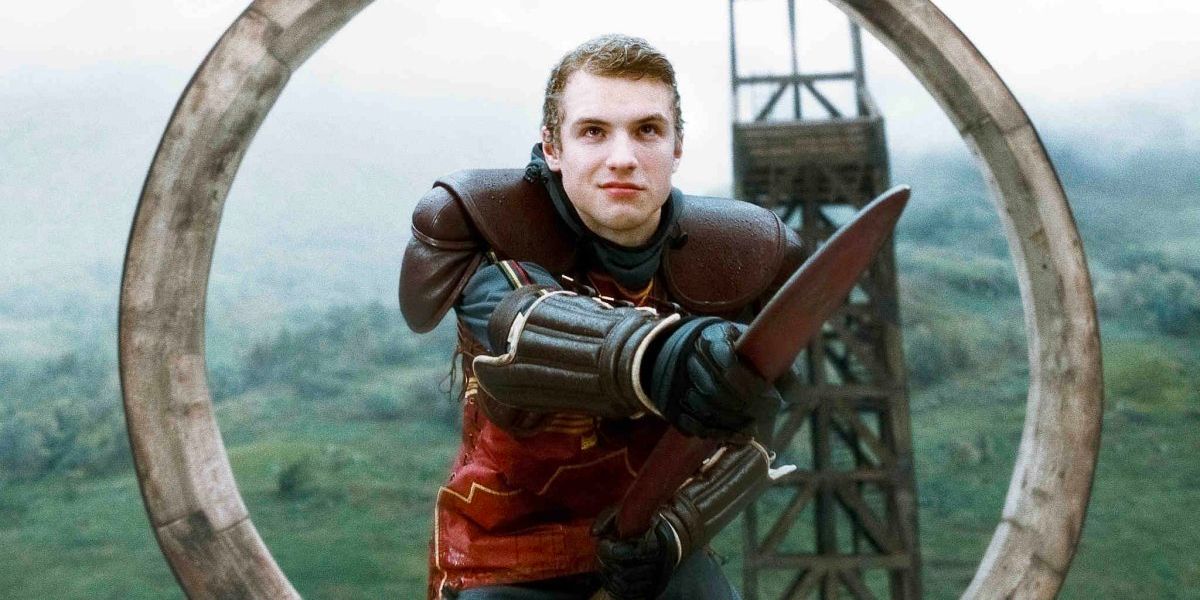
The confundus charm, conjured by the incantation “confundo,” is a nifty little spell that has been used frequently in the series. It confuses or misdirects the target of the spell, as long as the object is “sentient” in some regard, including other humans, or objects like broomsticks. The degree of confusion is dictated by the caster, from simply being unaware of something or creating that feeling of forgetting what you were doing there.
The charm has been used multiple times in the series, with the most hilarious instance being Hermione (Emma Watson) using it on Cormac (Freddie Stroma) during the Quidditch trials, so Ron would make it into the team. However, it has also had darker uses, where Barty Crouch Jr. (David Tennant) used it on the Goblet of Fire to confuse it to accept Harry Potter’s name. —Jasneet Singh
33
Pestis Incendium
Fiendfyre
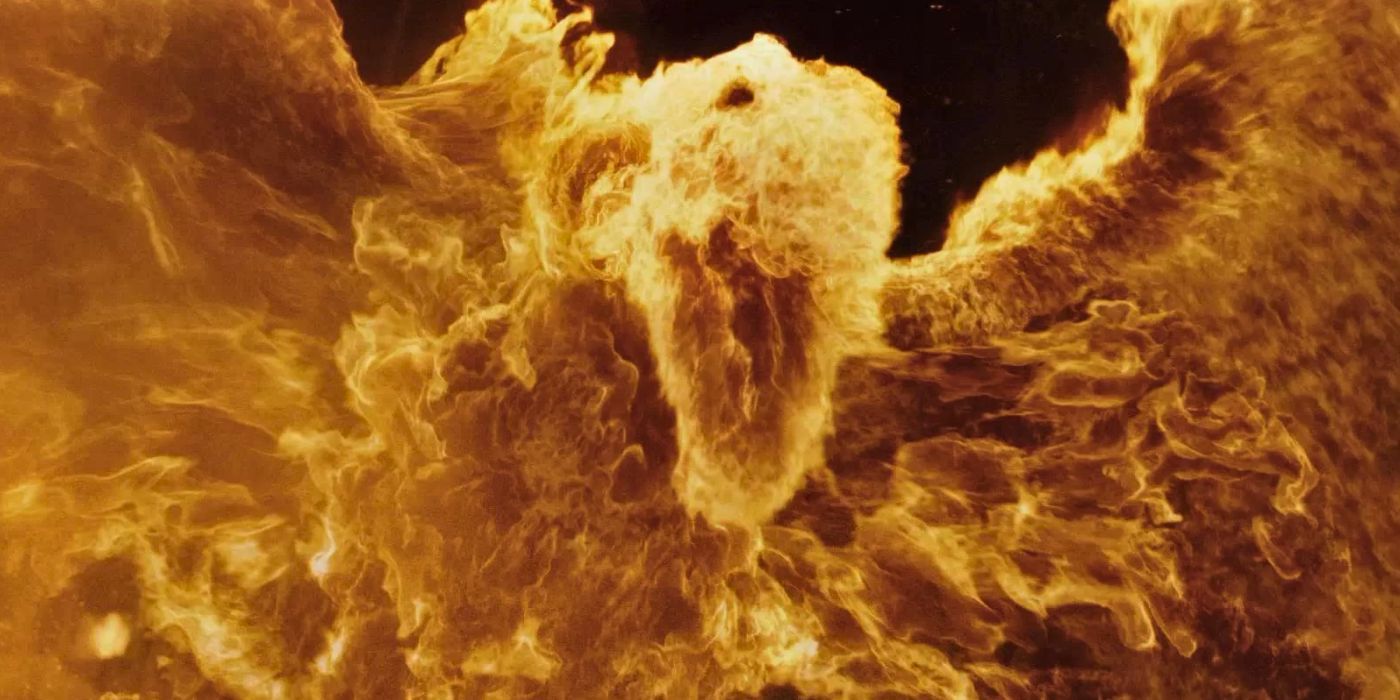
Aside from the Everlasting Flame, Fiendfyre is the next strongest form of magical fire in the Wizarding World, borne of Dark Magic and by a highly skilled caster. What’s really iconic about the spell is that the flames take on the form of a mythical creature, usually a dragon or serpent. The almost sentient, powerful and volatile flames are one of the few things that destroy Horcruxes, and have a memorable role in Harry Potter and the Deathly Hallows: Part 2.
In the Room of Requirement, Gregory Goyle (Josh Herdman) conjures Fiendfyre to kill the films’ main trio, but the second the flames emerge from his wand, he loses control. He wasn’t powerful enough as a wizard to properly guide the spell, leading to the entire room being burst into flames, including the diadem Horcrux, but when trying to climb to safety, Goyle fell into the flames. The inferno is an unforgettable scene in the franchise. —Jasneet Singh
32
The Unbreakable Vow
Binding Magical Contract
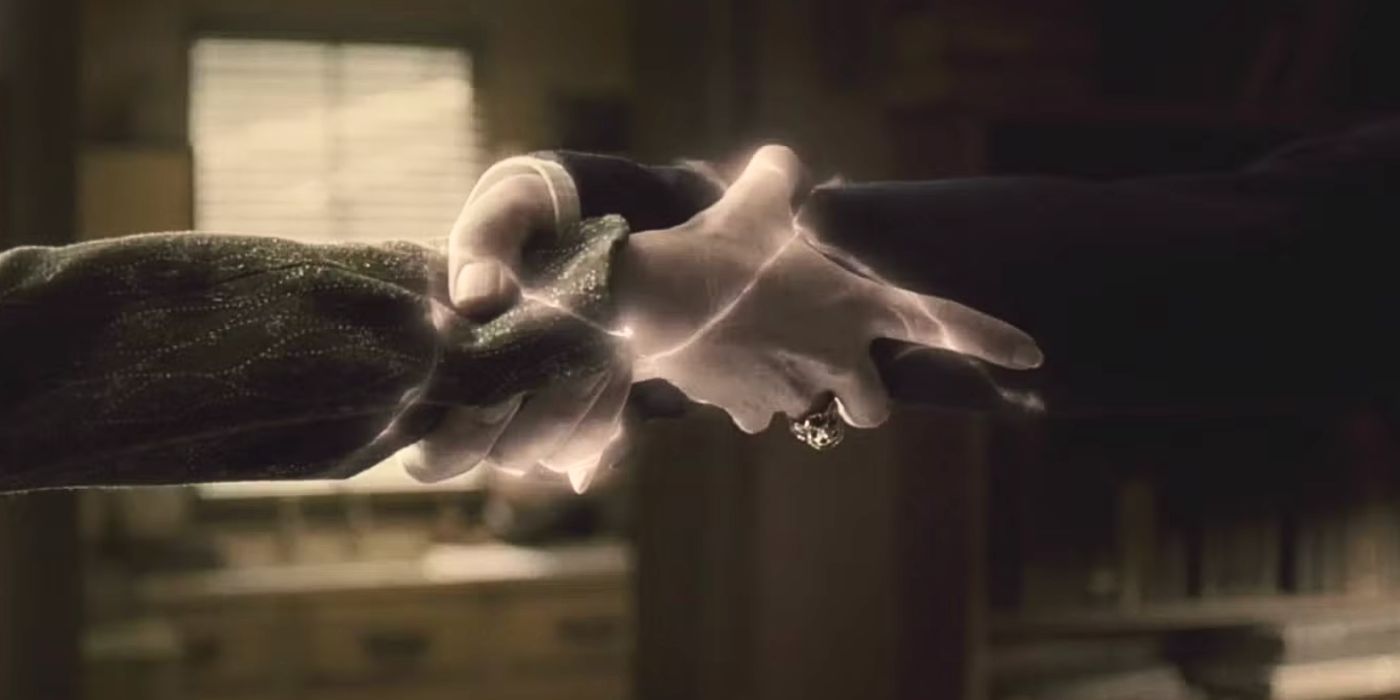
Although The Unbreakable Vow has been mentioned a few times in the franchise, we only see the binding magical contract in action once: Harry Potter and the Half-Blood Prince. Severus Snape makes the fearsome vow to Narcissa Malfoy (Helen McCrory), promising to take care of Draco Malfoy (Tom Felton) to make sure no harm comes to him while he fulfills the Dark Lord’s task. Her additional term to the contract is that if Draco fails at his task, Snape would fulfill it in his stead. It is iconic because this is the vow that leads to Snape killing Dumbledore.
The Unbreakable Vow requires three parties: the two people making the vow, who clasp hands, and the witness, who casts the spell. In the film, three golden rings appear around Snape and Narcissa’s clasped hands, magically binding their vow. And, as the unbreakable implies, if either party breaks the vow, an imminent, painful death is waiting for them—cross your fingers, hope to die in the most literal sense. —Jasneet Singh
31
Piertotum Locomotor
Animation Charm
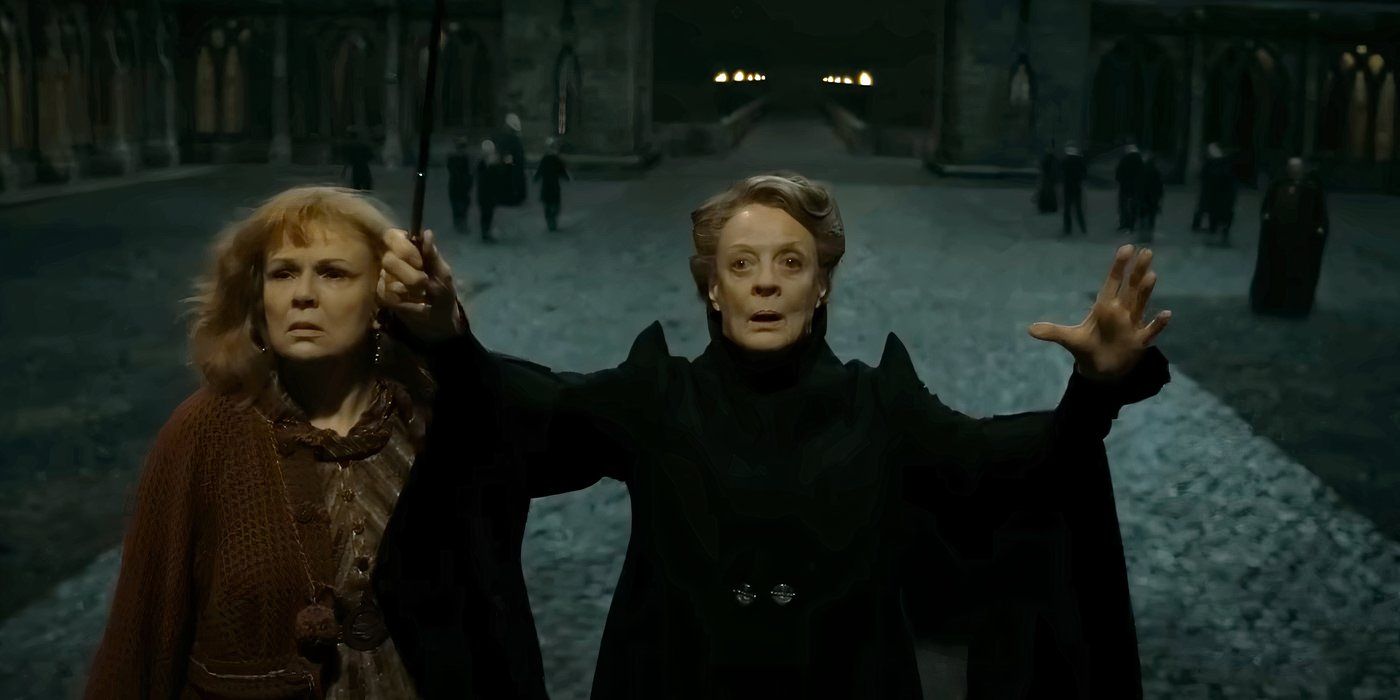
The animation charm brings inanimate objects to life, and we can only imagine the plethora of uses this charm can have. Throughout the eight films of Harry Potter, we have seen objects move as if operating at their own volition, and in some instances, it could have been the work of piertotum locomotor. However, the first real and significant time we heard the incantation was during Harry Potter and the Deathly Hallows Part 2.
It was the first spell cast during the Great War against Lord Voldemort (Ralph Fiennes), marking the beginning of a vicious battle. Professor McGonagall (Maggie Smith) briskly walks to the entrance of the castle, flourishes her arms to the side, and casts the spell, bringing all the huge, stone suits of armor alive and ready to attack. Given its use in the final battle, the animation charm proves to be more iconic than just making knives cut or chessboard pieces move. —Jasneet Singh
30
Immobulus
Freezing Charm
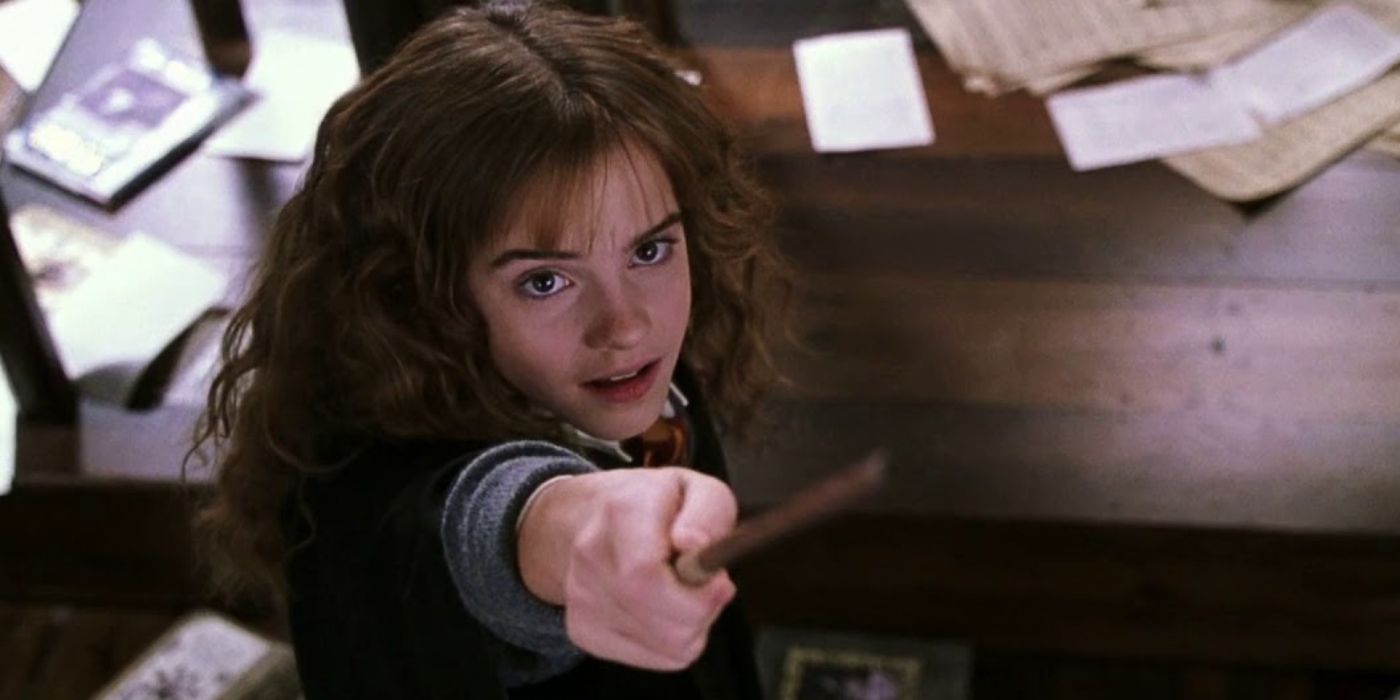
The freezing charm, Immobulus—as the name would suggest—immobilizes the target of the spellcaster. As a result, it is a ceaselessly useful charm, particularly for witches and wizards canny enough to use it to their advantage. The first time audiences saw it used was in Harry Potter and the Chamber of Secrets when the pixies broke free in Professor Lockhart’s (Kenneth Branagh) Defence Against the Dark Arts class and Hermione cast it to bring a swift end to their recklessness.
It features in Harry Potter and the Prisoner of Azkaban as well, used by Professor Lupin (David Thewlis) to nullify the aggression of the Whomping Willow so he could safely gain passage to the Shrieking Shack. A spell that is as pragmatic and effective as its caster, Immobulus is representative of the Harry Potter universe at its most clever and inventive.
29
Engorgio
Growing Charm
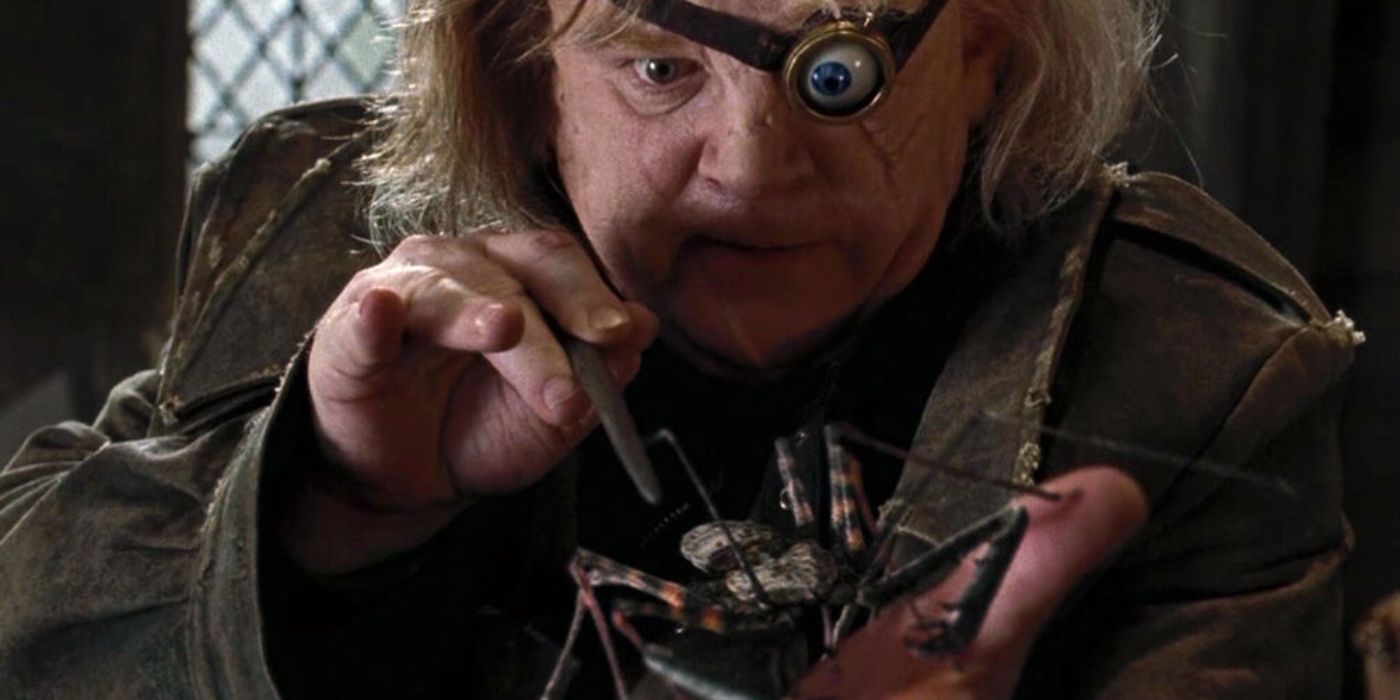
The Engorgement Charm, otherwise known as the Growing Charm as it sees the spellcaster engorge the target, is a spell that is used to both comic and unsettling effect throughout the Harry Potter films. It first appears in The Prisoner of Azkaban in the Defence Against the Dark Arts class when Barty Crouch Jr. —disguised as Mad-Eye Moody (Brendan Gleeson)—casts it to expand a spider-type creature upon which he displays the effects of the three unforgivable curses.
The spell is used to much more joyful effect in Harry Potter and the Deathly Hallows: Part 1 when Harry casts the incantation alongside Ron (Rupert Grint) on a candle flame in the tent, creating a brief inferno that leaves the two young wizards shocked. While not featured in the films, there is a variation of the spell—Engrogio Skullus—that makes a person’s head grow larger.
28
Serpensortia
Snake Summoning Charm
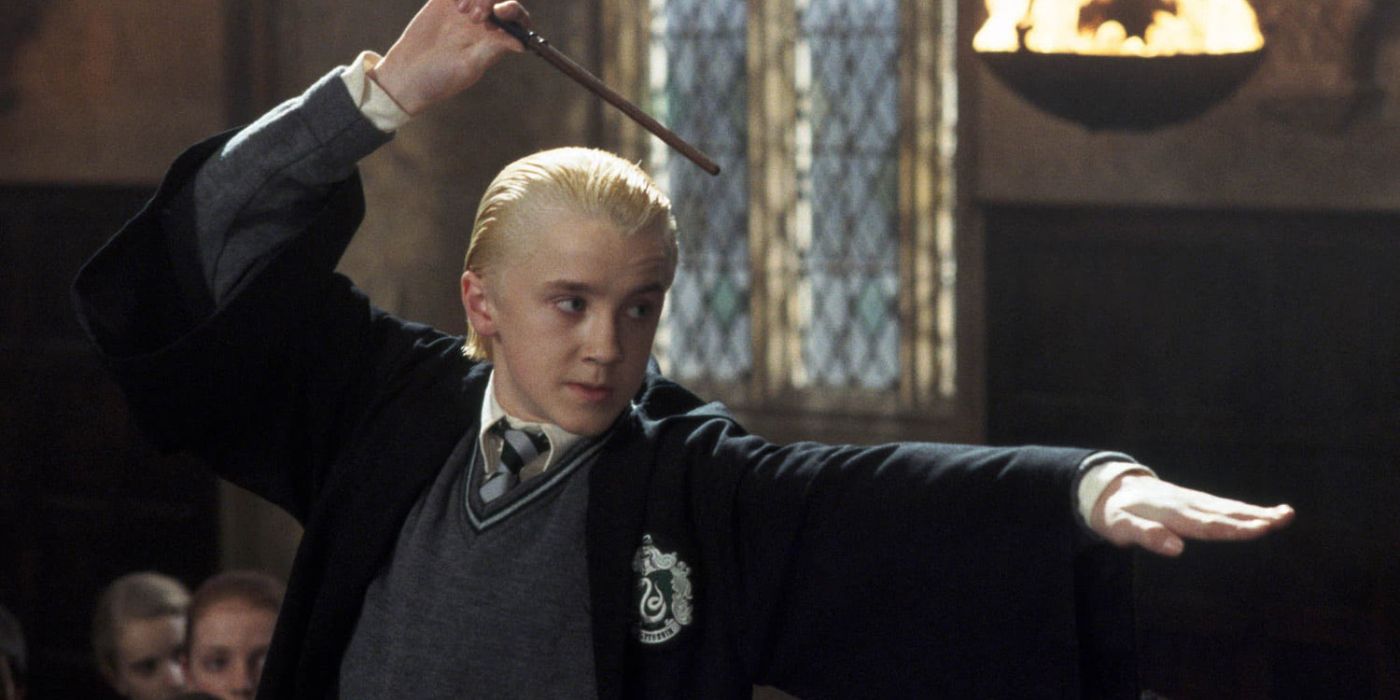
The snake-summoning charm appears only once across the eight Harry Potter films, and its appearance may not seem immediately consequential at that, but it is an enchantment that has a certain impact on viewers. It features during the duel between Harry Potter and Draco Malfoy in Harry Potter and the Chamber of Secrets, with Malfoy casting the spell at the behest of Professor Snape.
In addition to leaving the crowd of students surrounding the duel in a stunned silence, it also exposes Harry’s parseltounge abilities to the rest of his classmates. Couple this with the fact that snakes play a monumental role in the second Harry Potter film particularly, and Serpensortia is a spell that has a much deeper meaning in the context of its story, making it especially representative of The Chamber of Secrets.
27
Reducto
Reductor Curse
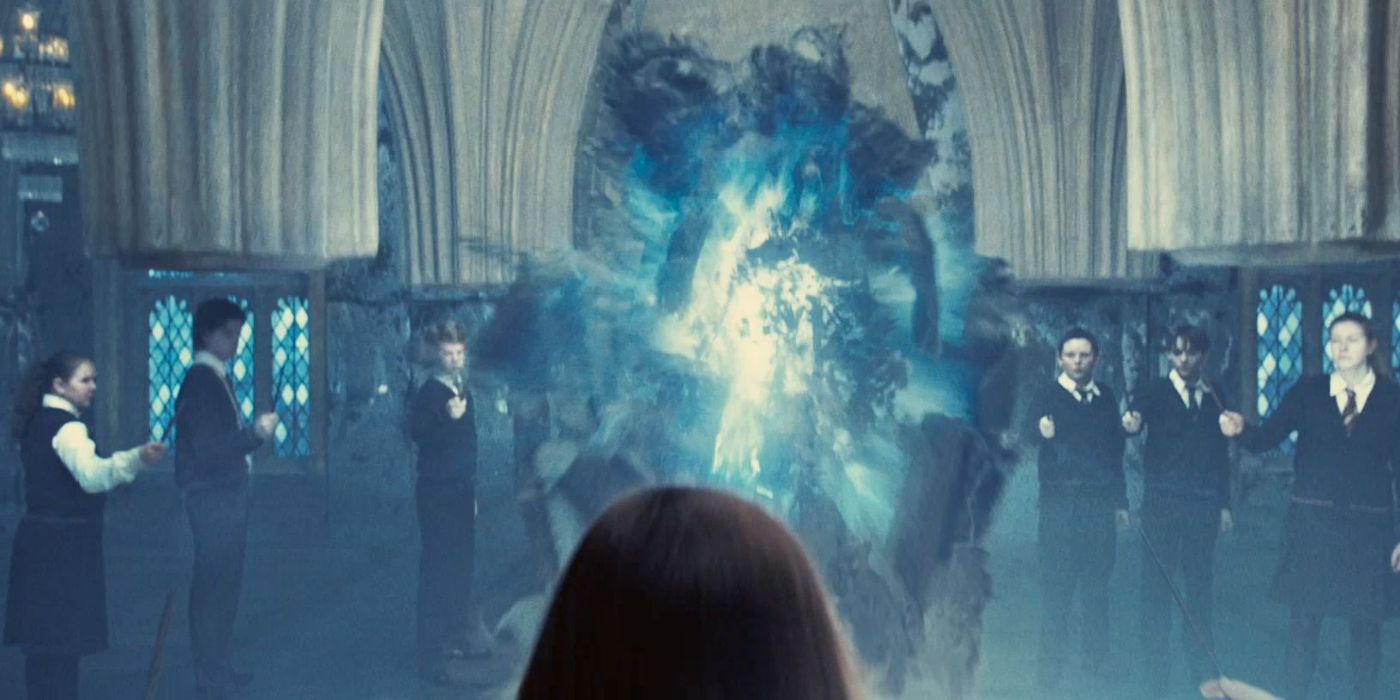
There is certainly no shortage of spells in the Potterverse that can have the effect of blasting things into millions of pieces. However, that is the sole purpose of Reducto, an explosive curse that reduces the spellcaster’s target to little more than a pile of ash or a breeze of fine mist. It features several times throughout the film franchise, perhaps most notably being used by Ginny Weasley (Bonnie Wright) during the training sequences in the Room of Requirements in Harry Potter and the Order of the Phoenix.
It became a favorite spell of Harry Potter as well. He first uses it in the Tri-Wizard Tournament during Harry Potter and the Goblet of Fire before using it multiple times throughout the final two films. Neville Longbottom (Matthew Lewis), Professor Snape, Hermione Granger, and Luna Lovegood (Evanna Lynch) are among other known users of the spell in the extended Harry Potter lore.
26
Relashio
Revulsion Jinx
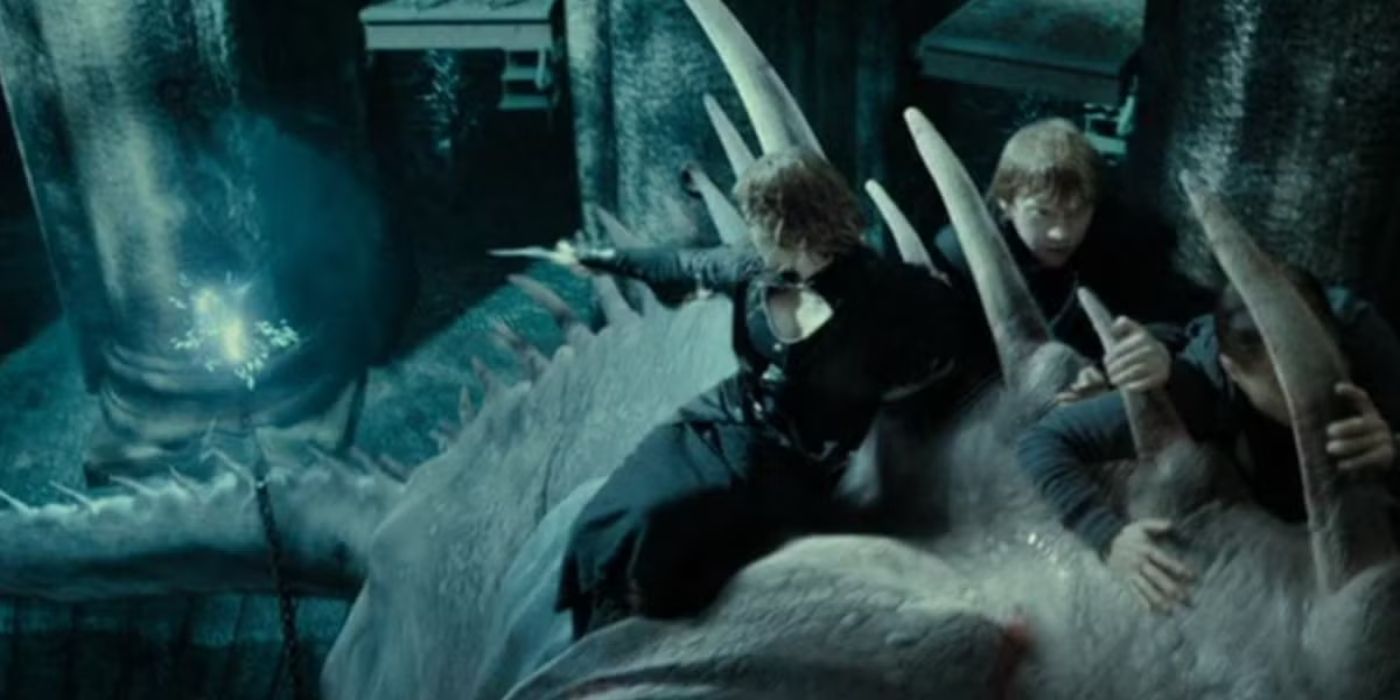
With the same pronunciation as the Italian word Rilascio—meaning “I release”—Relashio is cast as the Revulsion Jinx, a spell that forces the target to relinquish its grasp on whatever it is holding on to. It can be cast on people, creatures, and objects, and is used several times throughout the films at least, with there being multiple instances where the jinx could quite possibly have been cast unspoken, such as when Professor Umbridge (Imelda Staunton) pries apart two smooching classmates in The Order of the Phoenix.
The first confirmed use of the spell occurs in The Goblet of Fire during the second task, when Harry uses it underwater to free himself from the clutches of the grindylows. It is used again in Harry Potter and the Deathly Hallows Part 2 to free the dragon in the crypt in Gringotts to create a diversion as Harry, Ron, and Hermione mount their escape.



