

You may be faced with some harsh realities if you decide to replay some older Pokémon games, especially if you’ve played more recent titles like Scarlet and Violet, Legends: Arceus, and Sword and Shield for hundreds of hours. The Nintendo franchise has significantly evolved and changed, and it’s bound to receive even more changes. The battle system in Pokémon Legends: Z-A discards the classic turn-based combat, for example.
It’s unclear if this will be applied to all core games moving forward, but in the title, your Pokémon’s move won’t have PP, but instead cooldowns. Furthermore, Accuracy and Evasiveness should also be discarded, as you’ll be able to move your Pokémon around the arena, dodging moves in real time. This changes a lot of the formula of the classic Pokémon games.
Graphics In Older Pokémon Games Are Very Different
8-Bit & 16-Bit Graphics May Throw Off Newer Players
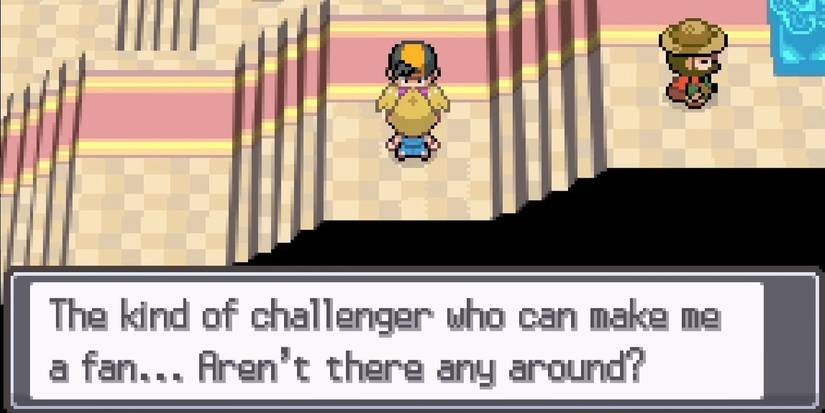
The immediate thing you’ll notice when revisiting older Pokémon games is that the graphics and art style are extremely different. If you play Gen 1 and Gen 2 titles, you’ll face 8-bit graphics, while Gen 3 games offer 16-bit graphics. This is a major downgrade compared to the current 3D graphics. I don’t see this as a flaw, but it is very different.
In terms of overall quality and polish, the older and more restrained graphics are arguably better than the ones presented in Scarlet and Violet, but they do show signs of how old the games are. Newer players who started with Sword and Shield or anything released after that may be thrown off by the fixed 2D camera angles and simpler sprites.
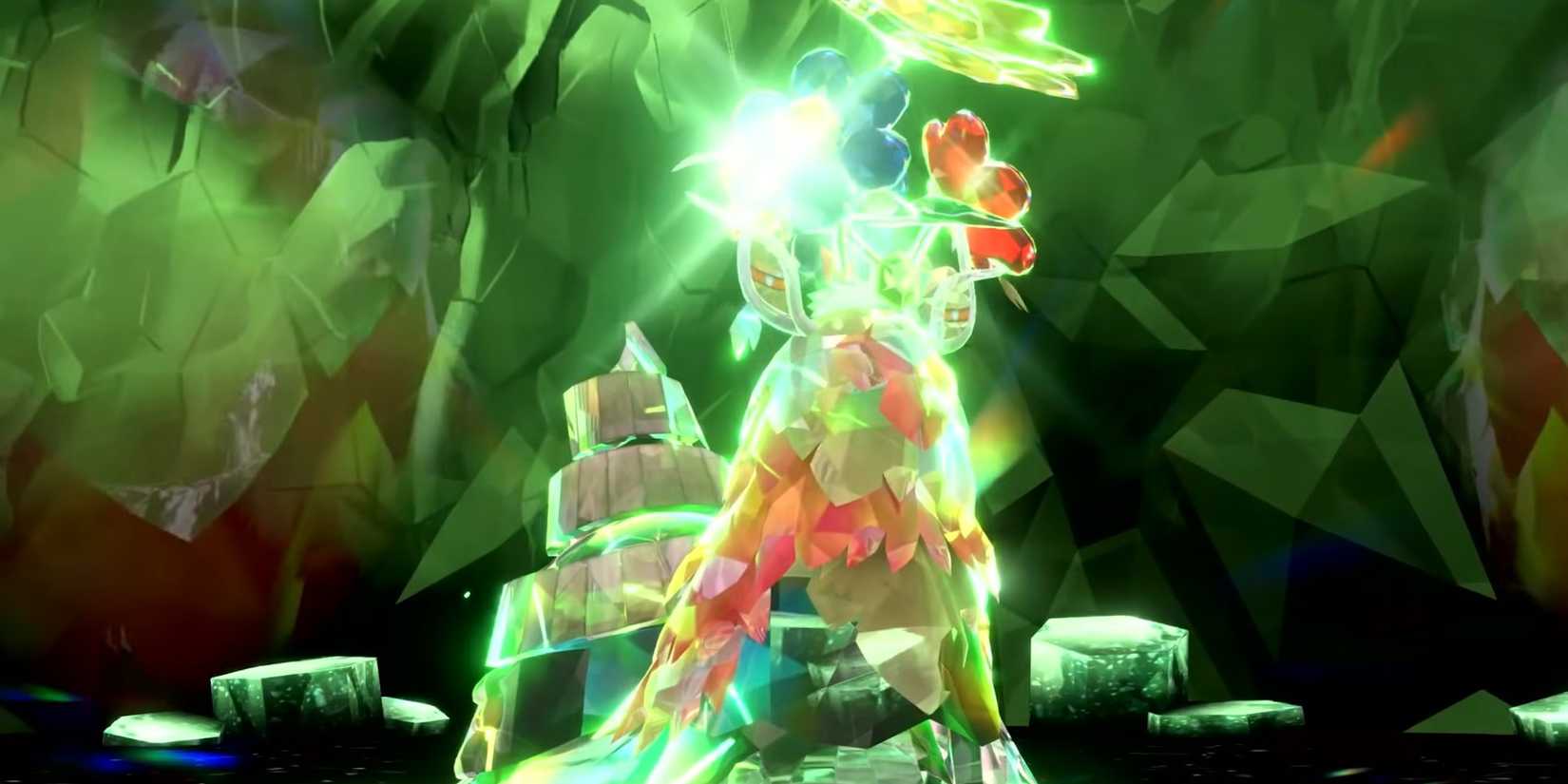
In terms of content, there are also a lot of differences. One of the most notable aspects in older games, when compared to newer titles, is the lack of community-driven events. In Sword and Shield and Scarlet and Violet, players can tackle multiplayer activities like Pokémon Dens and Tera Raids together.
There are also collective events, like the ones offering Shiny legendaries in Scarlet and Violet after a certain number of Tera Raids have been completed by the community. Older games don’t have as much online connectivity, and even fewer activities to do together.
HMs Are Present In Most Old Pokémon Games
Hidden Moves Are Awful In Battle
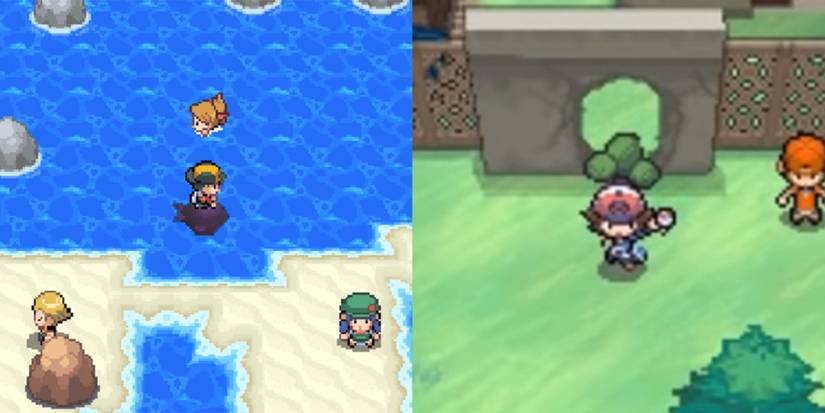
One of the things that always gets to me when playing older Pokémon games is the presence of HMs (Hidden Moves). These special moves not only have effects in battle, but can also interact with elements in the overworld. You can use Cut to remove vines or Rock Smash to break rocks impeding your progress, while Surf gives you access to traverse over water bodies.
The issue with HMs is that they occupy a move slot. In battle, HMs tend to be far less effective than other moves, so they’re essentially cutting the damage potential of your party. They’re necessary to explore the world, but they are terrible in combat, and being obligated to have them around was a terrible feature that was thankfully removed (though they are present in remakes).
Shiny Hunting Isn’t Easy Like In Pokémon Scarlet & Violet
Pokémon Aren’t Present In The Overworld In Classic Games
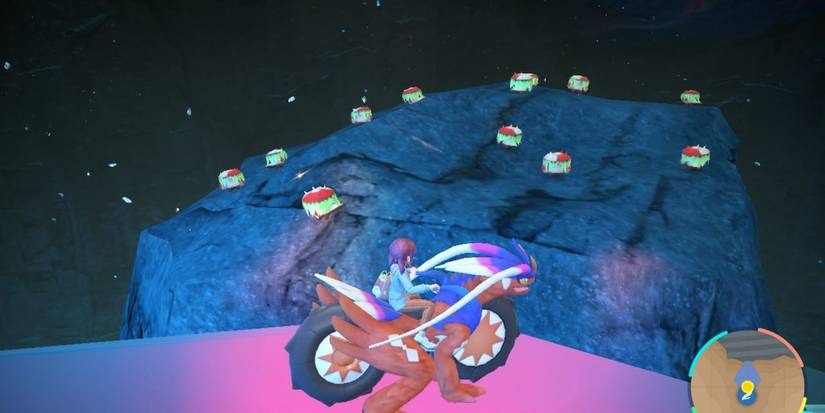
Another harsh aspect of older titles is how hard it is to shiny hunt creatures. Shiny hunting in Pokémon Scarlet and Violet and even Legends: Arceus is facilitated by two important factors. The first of them is that shiny Pokémon appear as such in the overworld, making them much easier to visually locate.
The second reason is that these games have outbreak mechanics, making them spawn in the overworld in swarms during a limited period. With the right strategy, you can easily find shiny Pokémon in more modern games. However, in older titles, this technique isn’t available, and it’s up to luck or the Masuda Method, though even that is partially obsolete.
Hunting Roaming Legendaries Was Terrible
Tracking Legendaries In Modern Games Is Much Better
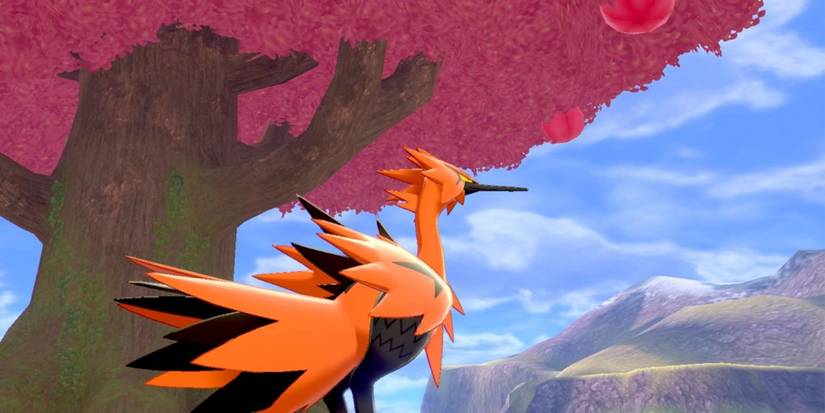
Aside from shinies, hunting down roaming Legendary Pokémon in older games was also quite terrible. Surely, the first time you randomly encounter a Suicune in Gold and Silver or Latios and Latias in Ruby and Sapphire, respectively, it’s a thrill. However, the method of actually tracking and hunting them down can be tedious and frustrating.
Compared to Sword and Shield and Legends: Arceus, where you see these creatures in the map, the roaming Legendaries of older games are awful to catch up with. The randomness of their encounters takes away from the idea of tracking them, whereas modern games actually give you a role to play when trying to start an encounter with them.
Older Pokémon Designs Aren’t As Great As You Remember
Even Gen 1 Had Some Terrible Designs
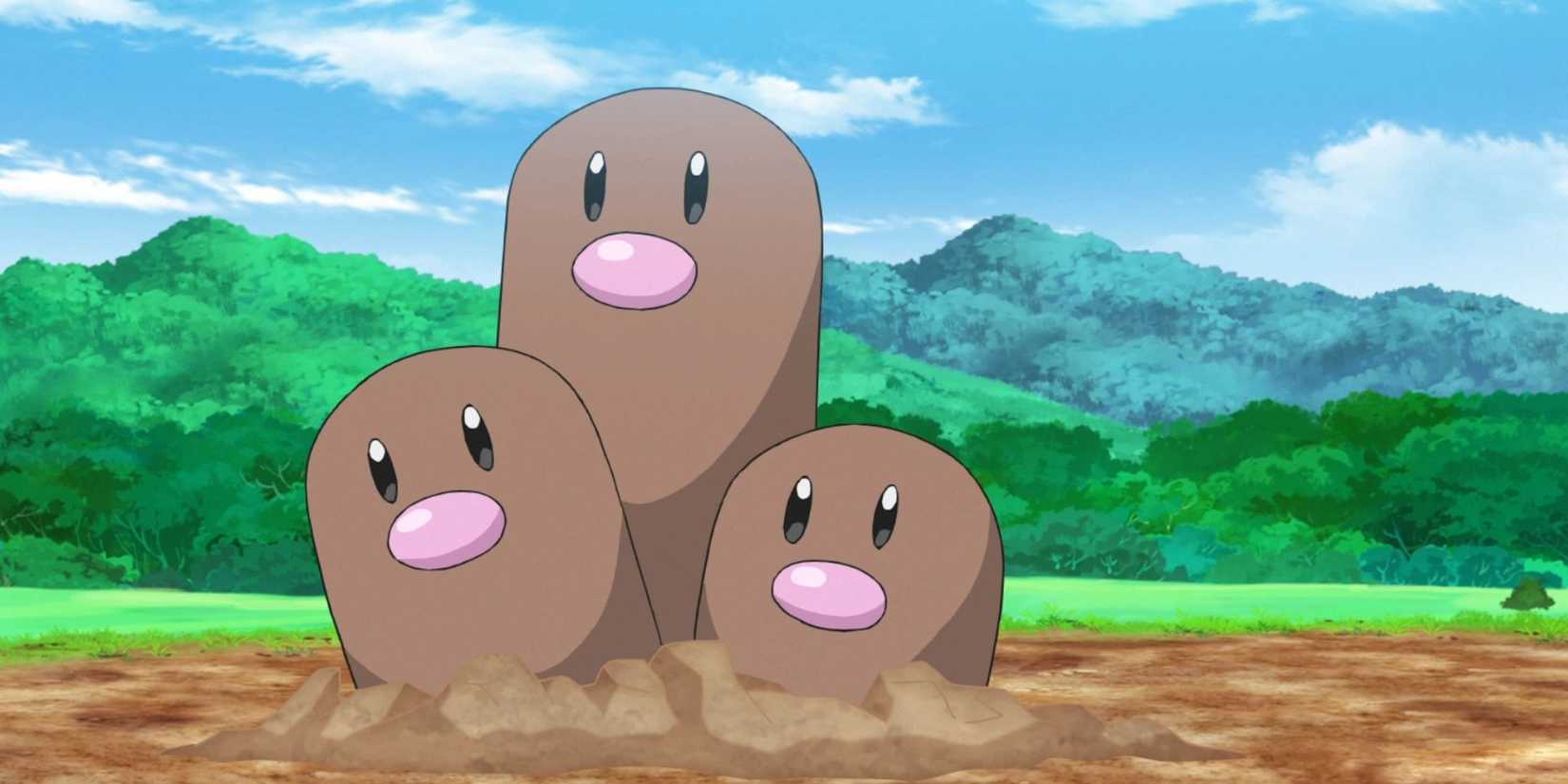
Another thing that may hit you if you’re replaying an older Pokémon game you haven’t been in touch with for a while is that some Pokémon designs may not be as great as you remember. There’s a lot of discussion about how Gen 1 Pokémon are the best when it comes to designs.
However, a lot of the argumentation seems to come from nostalgia and, possibly, the lack of interaction or immersion with other generations in the same way. Creatures like Jynx, Dodrio, Geodude, Muk, and Dugtrio may be classic, but they’re really not all that good. If they were released in any of the more modern games, they would’ve been met with a lot of criticism.
Antagonist Groups In Pokémon Were So Much Better Before
Modern Antagonists Aren’t Actually Villainous
 Custom image by Sara Belcher
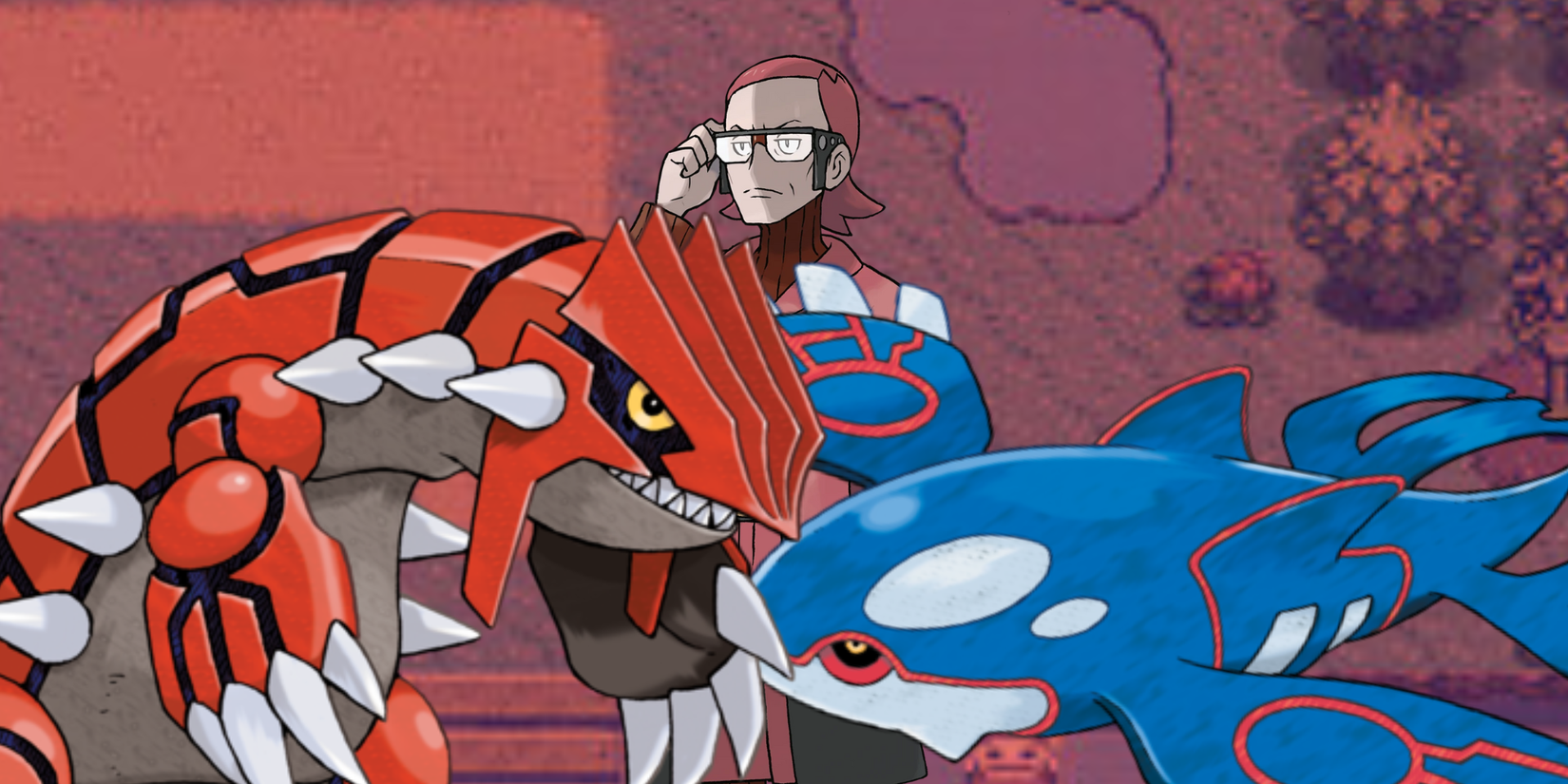
Another tough pill to swallow is that older Pokémon games had remarkable antagonist groups that are so much better than the ones presented nowadays. Gen 1 and 2’s Team Rocket, as well as Gen 3’s Team Magma and Team Aqua, were great as actual villains, and increased the stakes of the campaign. These groups were out to control the world, and it was your job to stop them.
Meanwhile, Sword and Shield features Team Yell, which isn’t villainous, but mostly a thorn in your side as they cheer for Marnie. Scarlet and Violet have Starfell Street, which is just a group of teen rebels who are actually friendly. This is a way of making the antagonists more in code for young players, but this formula takes away from the thrill that was invading a criminal group’s secret headquarters.
Pokémon Rivals Were A Lot Better In Gen 1 & 2
You Hated Your Rivals, & That Was Great
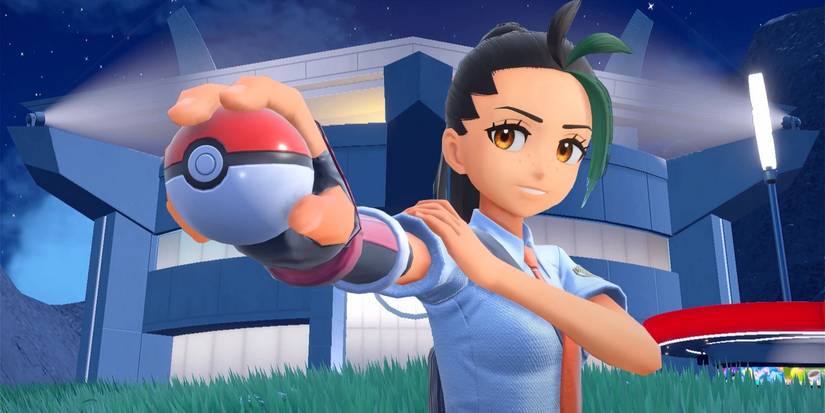
Much like the antagonist groups of erstwhile, the rivals in older Pokémon games were also a lot cooler, especially in Gens 1 and 2. In Gen 1 games, you’d spend the campaign being challenged by Blue, Professor Oak’s obnoxious grandson, who has a troubling delusion of grandeur. Most of his appearances would have you irritated at him. The same can be said about Silver in Gen 2 games.
Like his father, Team Rocket leader Giovanni, Silver is ruthless. He steals Pokémon and even physically assaults your player character. Surely, none of these rivals were nice, but this is precisely what motivated you to beat them. Nemona in Gen 9 is a rival, but she’s also a friend, and that takes away from how much you want to defeat her.
Classic Games Have No Character Customization Options
You Were Stuck With Preset Characters
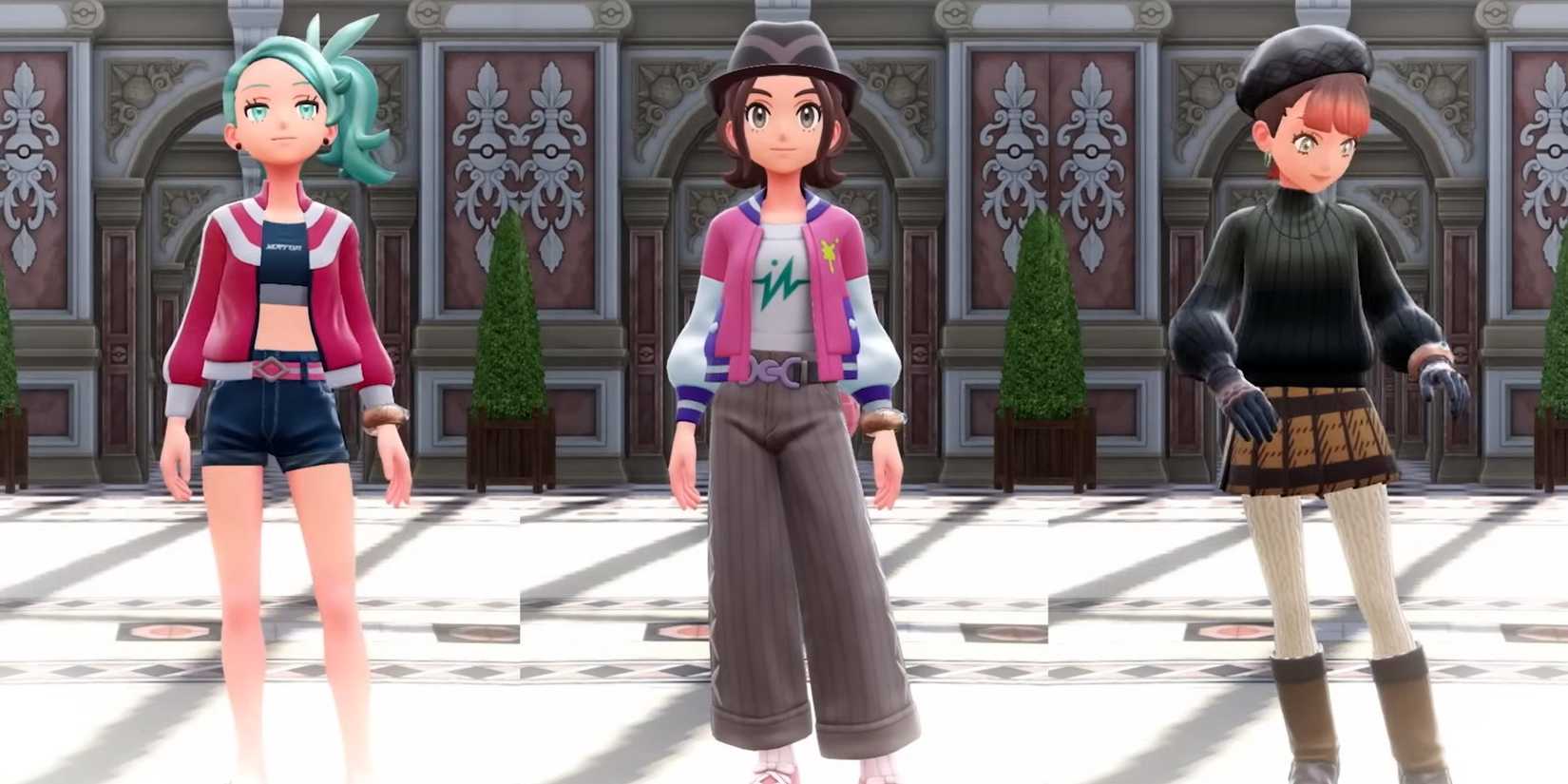
When returning to classic games after playing anything after Sword and Shield, you’ll also notice that these titles don’t have character customization options. Sure, the ones after Gen 1 allowed you to pick your gender, but other than that, you were stuck with the same character model through the entire game.
In older games, you can’t change your clothes or your character’s appearance, something that is a bit disappointing. Of course, the design effort applied to each generation’s protagonists is something to applaud, but character customization has become indispensable, and its absence is noted.
Older Pokémon Games Are Tougher Than Nowadays
Each Gym Battle Used To Be A Threat
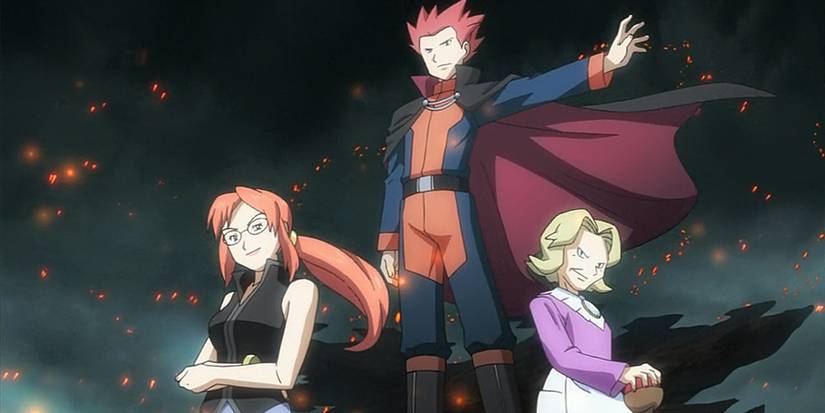
One of the harshest realities you’ll face when replaying older Pokémon games is that they were a lot tougher than they are nowadays. There are still ways of getting access to high-level challenges in games like Scarlet and Violet, but the Gen 1 and Gen 2 games, for example, were hard during the entire campaign.
Gym battles had to be carefully planned, and stocking up for the Elite Four, only to be obliterated by Lorelei or Lance, was commonplace. There was also no clear way of keeping track of your progression and where to go. These titles didn’t ease things up or leave the challenge for the endgame, and that’s one of the harshest realities you’ll face when replaying older Pokémon games.
Created by
Satoshi Taijiri, Ken Sugimori, Junichi Masuda
Latest Film
Pokémon the Movie: Secrets of the Jungle
First Episode Air Date
April 1, 1997
Current Series
Pokémon



